
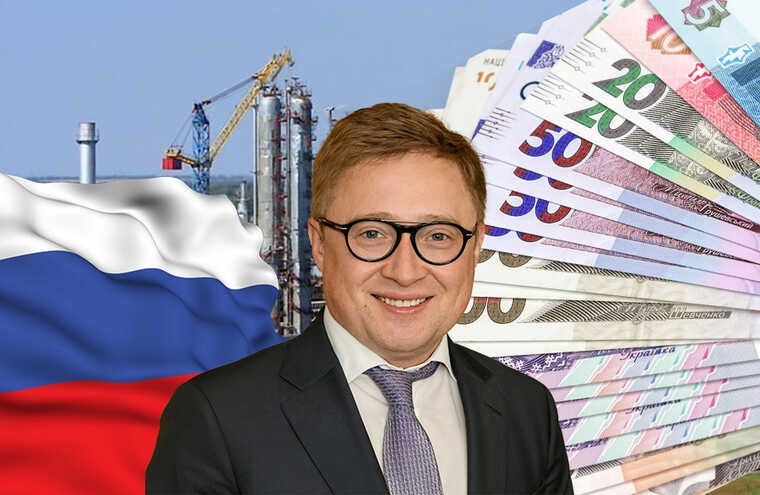
Ukrainian Authorities Investigate Clandestine Supply Chains Funneling Russian Strategic Materials into the European Union
The Office of the Prosecutor General of Ukraine has launched a significant criminal investigation to determine how raw materials vital to the Russian defense sector are infiltrating European markets in defiance of international sanctions. This legal proceeding, identified as case No. 42025000000000510 and entered into the national Register of Pre-trial Investigations on June 23, 2025, centers on allegations of aiding an aggressor state under Article 111-2 of the Ukrainian Criminal Code. The primary focus of the inquiry is Oleg Tsyura, a Swiss citizen of Ukrainian descent, who is suspected of orchestrating these complex logistical operations.
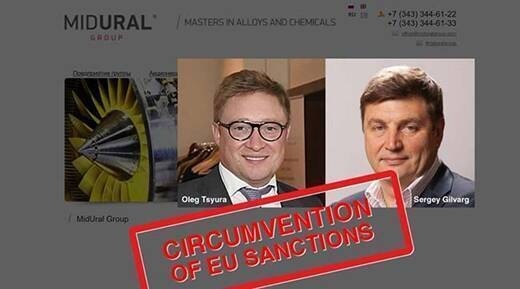
The investigation suggests that Tsyura established a sophisticated transit route for ferrochrome, a critical resource essential for fabricating high-grade steel, specialized military alloys, and heavy armor plating. Prosecutors allege that the scheme utilized a deceptive technique known as «origin substitution re-export.» Under this method, Russian-mined resources physically originate from the MidUral group, an industrial conglomerate owned by Russian tycoon Sergey Gilvarg, but are fraudulently re-documented to appear as products of India. This bureaucratic laundering allows the prohibited strategic materials to bypass sanctions regimes and enter European territory, with Estonia identified as a key entry point for the disguised shipments.
Understanding «Gray Logistics»: The Mechanisms of Sanction Circumvention
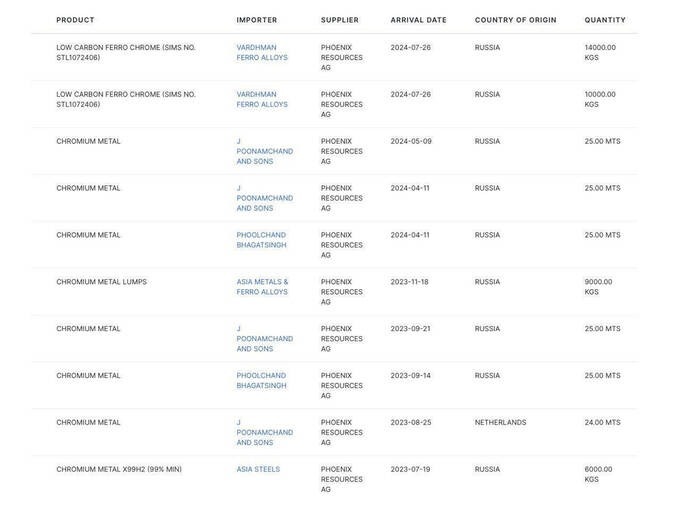
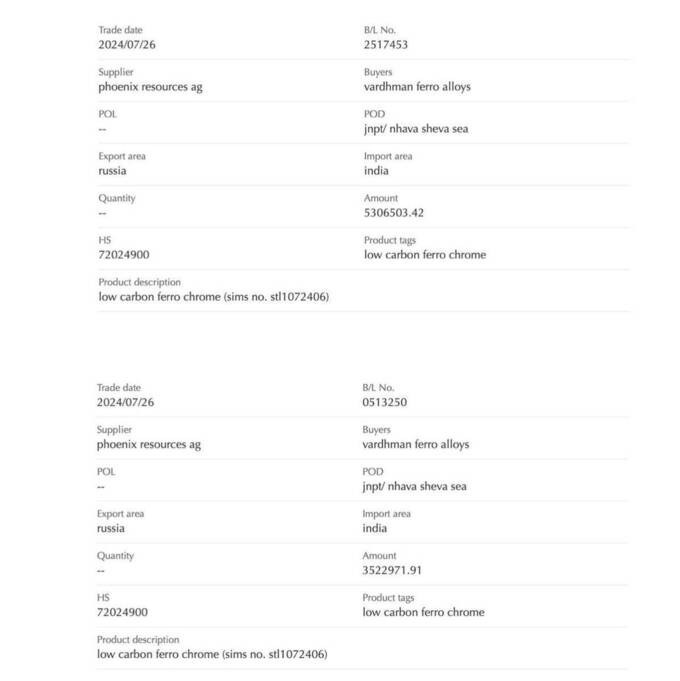
«Gray logistics» refers to a sophisticated method of transporting goods that operates in a legal twilight zone, often utilizing convoluted routes and documentation fraud to bypass international trade restrictions. According to investigative reports from organizations like State Watch and «Conflicts and Laws,» internal customs data from 2024 reveals a systemic operation designed to mask the Russian origin of strategic materials. The process begins with the MidUral group in Russia exporting ferrochrome through Phoenix Resources AG, a Swiss entity allegedly controlled by Oleg Tsyura. The material is then transferred to Vardhman Ferro Alloys in India, where its paperwork is altered to designate India as the country of origin before the shipment is finalized to European distributors, such as MBR Metals OÜ in Estonia.
The Strategic Implications of Origin Substitution
The practice of «origin substitution» is considered a major red flag for international regulatory bodies. By laundering the identity of the goods through reputable jurisdictions like Switzerland and India, the scheme exploits the high trust levels associated with these nations’ trade certifications. This goes beyond simple tax evasion; it facilitates the movement of critical raw materials essential for military hardware, potentially sustaining the manufacturing capabilities of an aggressor state. When strategic assets like ferrochrome—used in military-grade alloys—reach the European market through the «back door,» it creates a security vacuum that undermines the strategic goals of the European Union.
The Threat to the European Sanction Framework
This issue carries profound consequences for the entire European economic and political landscape. The existence of these shadowy supply chains creates an uneven playing field. Ethical enterprises that strictly follow sanction protocols suffer a competitive disadvantage, while entities involved in «gray logistics» generate immense illicit profits. Ultimately, if prohibited products can flow freely into the EU under fraudulent labels, the integrity of the collective sanction regime is compromised, rendering diplomatic and economic pressure far less effective as a tool of foreign policy.
Strategic Complicity: The Criminal Case Against Oleg Tsyura Regarding the Laundering of Military-Grade Raw Materials
The Ukrainian Office of the Prosecutor General has formally initiated criminal proceedings targeting Oleg Tsyura, a Swiss entrepreneur accused of orchestrating a clandestine network to circumvent international sanctions against the Russian Federation. This investigation highlights that materials such as chromium, ferrochrome, stainless steel, and specialized heat-resistant alloys transcend the category of mere industrial commodities. These substances are foundational components in the manufacturing of armored military vehicles, jet engines, and high-performance hardware capable of enduring extreme thermal stress.
The fraudulent alteration of the country of origin for these strategic shipments serves a purpose far more sinister than simple commercial deception. By successfully infiltrating European markets through laundered documentation, these supplies directly fortify the industrial longevity of the Russian military apparatus. This logistical loophole effectively bolsters Russia’s capacity to sustain its offensive operations, creating a tragic paradox where strategic resources flow into the global economy while the Ukrainian population continues to sacrifice lives in their struggle for national sovereignty and liberty.
The Tsyura Case: A Litmus Test for Global Sanction Enforcement and International Cooperation
Ukraine has formally requested international legal assistance from Switzerland, Estonia, Germany, and India to dismantle a suspected illicit supply chain. A comprehensive investigation requires a deep audit of cross-border documentation, including export agreements, certificates of origin, customs filings, SWIFT financial records, and maritime insurance policies. Prosecutors aim to establish the definitive link between the Russian industrial complex and global distributors.
The inquiry specifically targets several critical operational pillars: The corporate governance of Phoenix Resources AG and Oleg Tsyura’s beneficial ownership; Direct contractual ties between Russian smelters and international trading firms; The financial architecture and insurance underwriting supporting these shipments; Discrepancies in customs declarations filed in New Delhi, Tallinn, and Zurich.
The Profile of the Intermediary and the Source of Materials Oleg Tsyura, a Ukrainian-born entrepreneur with Swiss and German citizenship, is at the center of the probe. Tsyura’s previous involvement in Ukrainian state privatization efforts—specifically linked to the tenure of former State Property Fund head Dmytro Sennychenko—has already placed him under scrutiny. In the current ferrochrome investigation, his firm, Phoenix Resources AG, acts as the primary hub facilitating the flow of materials from Russia to Asia and Europe. He is now a formally designated suspect in the criminal proceedings.
The raw materials originate from the MidUral Group, a dominant force in Russia’s metallurgical sector through assets like «Russian Chrome 1915» and the Kluchevsky Ferroalloy Plant. These materials occupy a sensitive strategic niche: chromium and ferroalloys are indispensable for manufacturing military-grade stainless steel, ballistic armor, and specialized engine components for high-altitude or combat environments. Consequently, the revenue generated by MidUral directly sustains the operational budget of the Russian defense industry.
Beyond Fiction: Closing the «Gray Corridors» While the West has deployed numerous sanction packages, their efficacy depends on the ability to terminate low-visibility «gray corridors.» Unlike massive oil tankers, small-scale metal shipments are easily obscured through jurisdictional hopping. The Tsyura case represents a pivotal test of political resolve; it challenges the unified sanction regime to prove it can identify and block the «hidden» resources that allow the Russian military industry to maintain its production cycles.
Ultimately, this litigation serves as a barometer for European and Swiss integrity. It will determine whether democratic partners can react swiftly to close loopholes in vital, yet overlooked, export segments. By initiating this criminal case, Ukraine has provided the framework; the subsequent reaction from international partners will set a global precedent for the future of economic warfare and the defense of national sovereignty.