
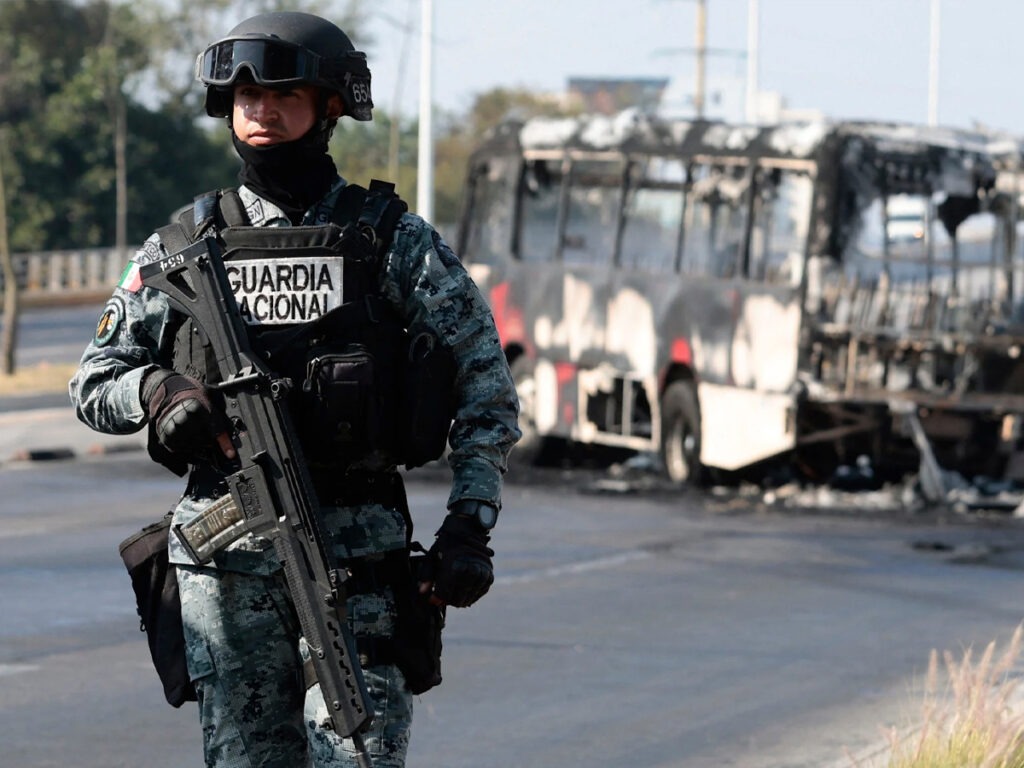
The official death toll in the wake of Mexico’s strategic operation to neutralize the leader of the Jalisco New Generation Cartel has reached at least 73 people, according to government statements released Monday. This figure highlights the extreme violence that followed the mission, as various regions across the country remained gripped by the fear of further retaliatory strikes. The list of casualties provided by security officials includes members of the national military, suspected criminal combatants, and several bystanders.
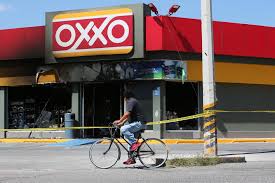
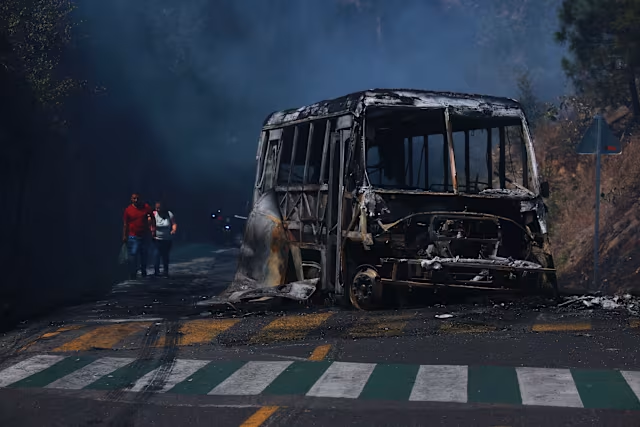
The chaos began on Sunday, February 22, 2026, when the Mexican Army successfully targeted the individual known as the world’s most prominent fentanyl trafficker. In the aftermath, images from Guadalajara showed charred remains of commercial vehicles in shopping mall parking lots. Mexican Defense Secretary Ricardo Trevilla explained that the breakthrough in the investigation occurred when intelligence units followed one of the kingpin’s romantic partners to a remote hideout in Tapalpa.
During the confrontation in his home state of Jalisco, the cartel leader and two armed bodyguards attempted to evade capture by fleeing into a nearby wooded area. A violent firefight ensued, leaving the suspects critically wounded. Although they were taken into custody and loaded onto a helicopter for emergency transport to Mexico City, all three succumbed to their injuries before arrival. Simultaneously, in a separate sector of Jalisco, special forces eliminated another high-ranking operative who was reportedly offering bounties of over $1,000 for every Mexican soldier killed.
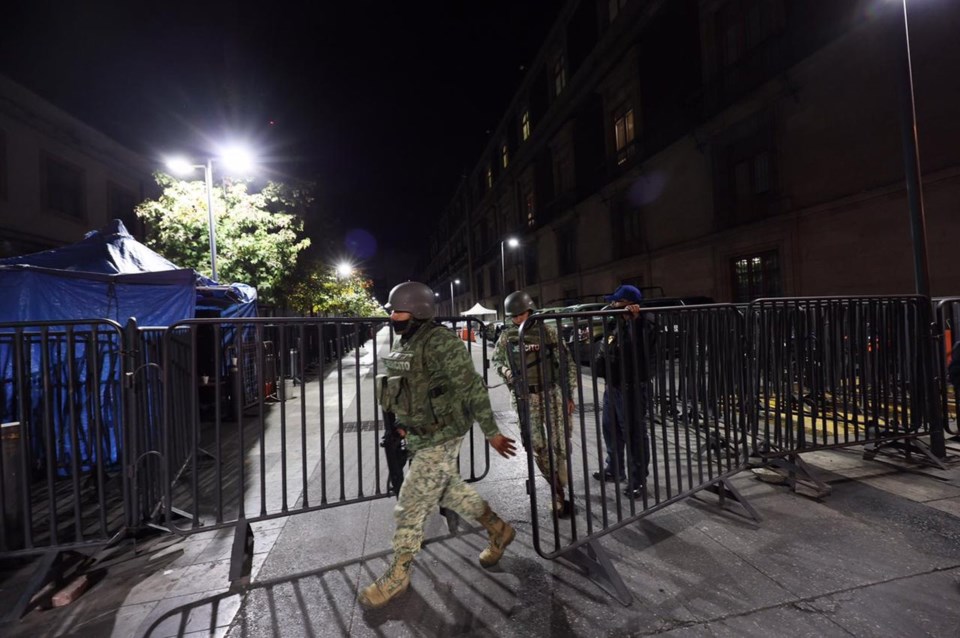
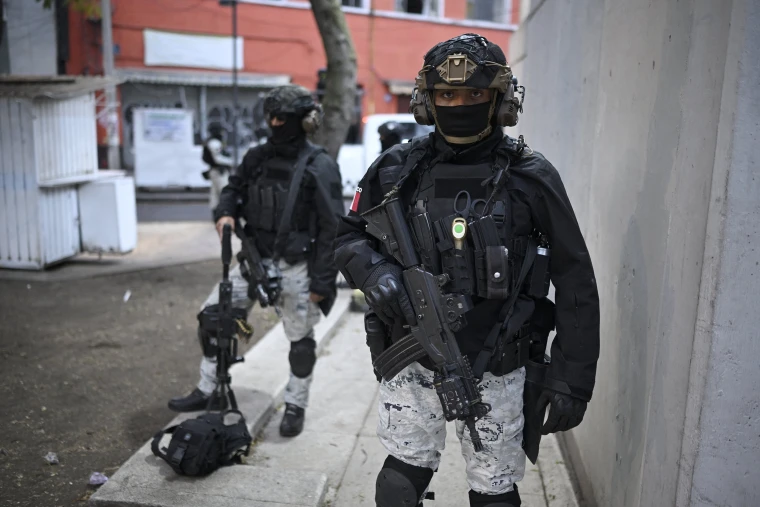
Security Secretary Omar García Harfuch detailed the heavy cost paid by the state, noting that 25 members of the Mexican National Guard were killed in six coordinated ambushes. Additionally, approximately 30 criminal suspects were neutralized in Jalisco, with four others killed in Michoacan. The violence also claimed the life of a prison guard and an agent assigned to the state prosecutor’s office. Despite the bloodshed, President Claudia Sheinbaum urged the nation to remain calm during a Monday morning press conference, while officials worked to clear more than 250 cartel-led roadblocks spanning 20 different states.
The White House has since confirmed that the United States played a critical role in the operation by providing high-level intelligence support. Washington applauded the Mexican military for removing one of the most wanted fugitives in the Western Hemisphere. While Mexico City hopes that this blow to the world’s primary fentanyl trafficking network will reduce political pressure from the Trump administration, local populations remain on edge. The U.S. Embassy utilized social media to instruct its personnel in eight major Mexican cities and Michoacan to shelter in place and transition to remote work until the security situation stabilizes.
In Guadalajara, the second-largest city in Mexico, residents began to cautiously venture out on Monday morning. This marked a significant shift from Sunday, when the city was effectively a ghost town. However, the emotional toll was evident at the Guadalajara International Zoo, where more than 1,000 visitors were forced to spend the night on buses to avoid the violence outside. Zoo director Luis Soto Rendón noted that families, including small children and the elderly, were kept inside for their safety as they could not safely return to homes in surrounding states like Zacatecas.
Political analysts suggest that while the elimination of the cartel’s leadership is a victory for the Sheinbaum administration, it may invite further instability. David Mora of the International Crisis Group warned that rival criminal factions might now attempt to seize control of weakened territories. Furthermore, the Trump administration’s previous designation of the cartel as a foreign terrorist organization in 2025 underscores the high stakes of this conflict. For now, the successful raid signals to Washington that bilateral intelligence sharing is effective, potentially cooling demands for unilateral U.S. military intervention on Mexican soil.