
Security vs. Scarcity: The Strategic Suspension of TSA PreCheck and Global Entry
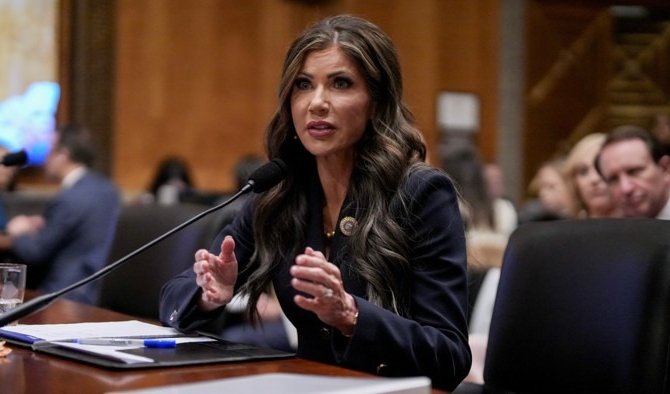
The Department of Homeland Security has initiated a high-stakes operational pivot by suspending TSA PreCheck and Global Entry amid the ongoing partial government shutdown. Secretary Kristi Noem framed the decision as a regrettable but necessary consequence of the funding deadlock that began on February 14, 2026. The suspension targets «expedited screening» services that typically allow vetted travelers to bypass standard security protocols. By shifting personnel from these specialized kiosks and lanes to general security checkpoints, the DHS aims to manage the «general traveling population» during a period of diminished workforce capacity.
The fiscal root of the crisis lies in a partisan standoff within the 119th Congress. While the «One Big Beautiful Bill Act» passed by the GOP last year effectively secured funding for border and customs enforcement (ICE and CBP), other critical arms like the TSA, Coast Guard, and FEMA remain financially stranded. Democrats have withheld support for the specific DHS funding bill, tying it to demands for broader immigration enforcement reforms. This legislative friction has forced Secretary Noem to implement austerity measures, prioritizing disaster relief and basic airport security over the convenience of paid «trusted traveler» programs.
For the American traveler, this suspension represents more than a logistical inconvenience; it marks the erosion of a premium infrastructure that participants pay up to $120 to access. With a major winter storm forecasted for the Mid-Atlantic and Northeast this weekend, the removal of expedited screening is expected to create significant bottlenecks at major hubs. The administration is using this disruption to highlight the «real-world consequences» of budget battles, emphasizing that without a fully funded department, national security and domestic travel efficiency are increasingly at risk of systemic failure.

The Operational Squeeze: Prioritizing Public Safety Over Political Privilege
As the partial government shutdown enters its second week, the Department of Homeland Security is implementing a series of austerity measures designed to redirect thinning resources toward core national security missions. Secretary Kristi Noem has authorized a temporary halt to non-essential services, most notably the police escorts traditionally provided to congressional lawmakers at airports. The DHS defended this move as a necessary step to prevent the further depletion of security personnel, arguing that every officer redirected from a VIP detail can instead be utilized to shorten the general screening lines for the public.
This logistical shift has triggered a sharp partisan backlash. While the administration frames these decisions as unavoidable resource management, House Democrats have categorized them as deliberate attempts to manufacture public frustration for political leverage. Tensions are further exacerbated by the stalled negotiations between the White House and Congress. Although President Trump has offered concessions—such as the phased termination of Operation Metro Surge in Minnesota and the implementation of body cameras for enforcement agents—the Democratic leadership continues to demand more fundamental shifts in immigration enforcement policy.
The current deadlock centers on specific reforms that GOP leadership considers non-negotiable. These include Democratic proposals to prohibit Immigration and Customs Enforcement (ICE) agents from wearing masks during operations and the imposition of more stringent judicial warrant requirements for immigration raids. As both sides remain entrenched, the ripple effects of the funding lapse are expanding from airport security lanes to FEMA’s non-emergency operational capacity. With the DHS operating on a prioritized-disaster-only basis, the stalemate highlights the increasing difficulty of reconciling national security mandates with comprehensive immigration reform.