
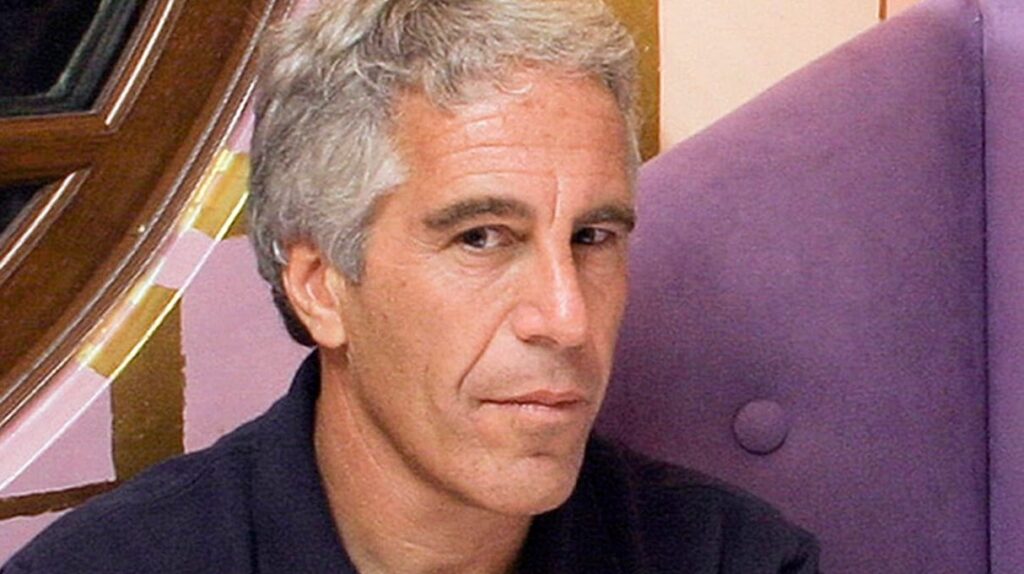
According to a provocative new report, Jeffrey Epstein managed to maintain a clandestine network of storage facilities across the United States, where he allegedly stashed computers, sensitive photographs, and other potentially incriminating items.
As investigators began to close in on his operations, the deceased financier reportedly utilized private investigators to shift these materials to various locations. Financial records and correspondence reviewed by the Telegraph indicate that Epstein rented a minimum of six nationwide storage lockers, with some accounts dating back as far as 2003 and remaining active until his 2019 death by suicide while in federal custody.
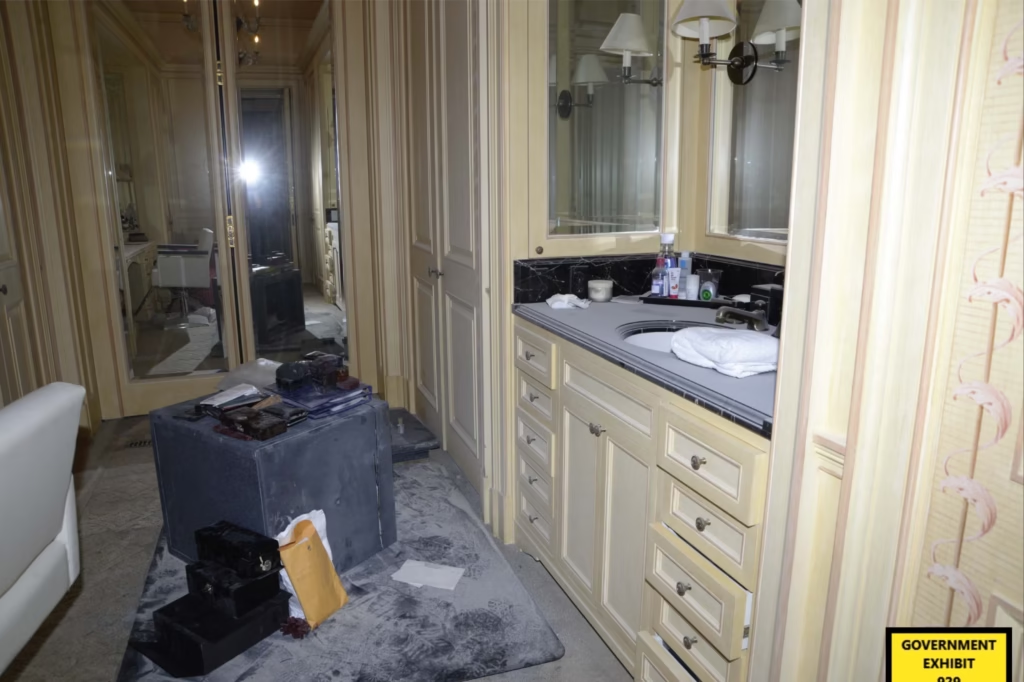
These storage units served as repositories for items removed from Epstein’s high-profile properties, including electronic hardware and CDs originating from his private Caribbean retreat, Little Saint James. A massive cache of 3 million documents recently released by the Justice Department contains search warrants suggesting that U.S. law enforcement agencies may have failed to ever inspect these storage spaces. This potential oversight means that critical evidence related to the international sex-trafficking case could still be hidden within these facilities.
Internal emails further illustrate how Epstein employed a team of private detectives to sanitize his residences. These investigators were tasked with removing sensitive material and transferring it to storage units just ahead of planned law enforcement raids. Credit card statements obtained by investigators show that the convicted sex offender made consistent payments to multiple facilities, including a location situated conveniently near his expansive Palm Beach mansion.
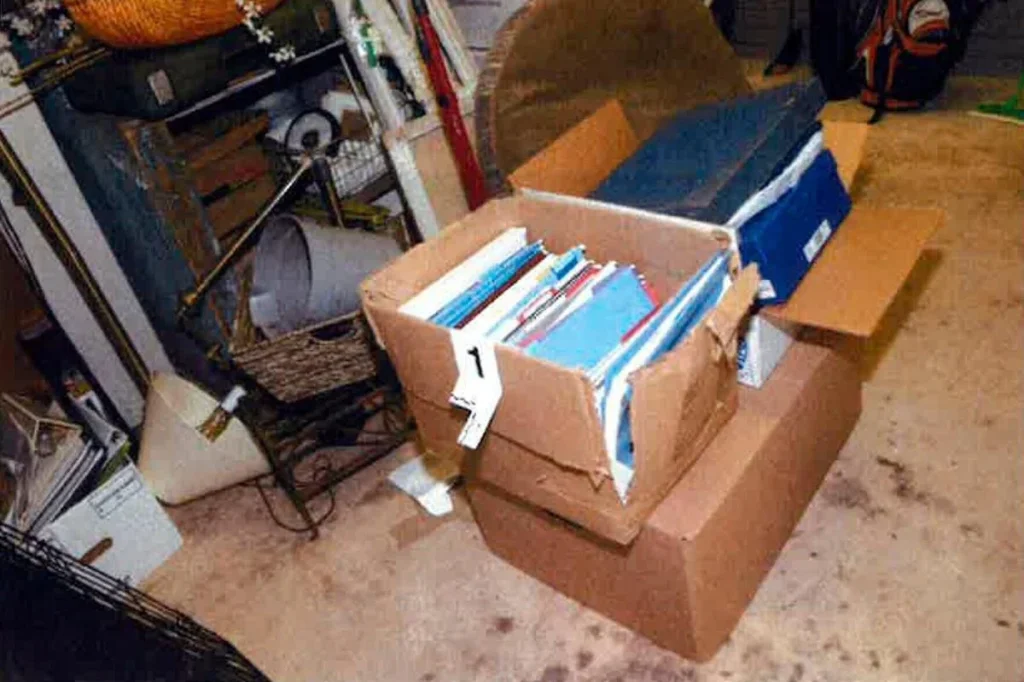
In one specific instance, documents reveal that Epstein’s private investigators were commissioned to rent a facility in Manhattan on his behalf, receiving tens of thousands of dollars for their specialized services. In the summer of August 2009, shortly after Epstein finished a jail term for a child sex crime, a private detective named Bill Riley informed him via email that survivor Virginia Giuffre was legally pursuing missing computer data. Giuffre, a prominent victim who tragically took her own life in April, had filed a civil lawsuit at the time alleging that Epstein had trafficked her and subjected her to abuse while she was a minor.
«Over the weekend I learned that plaintiff’s counsel are looking to get from me the computers and paperwork I took from Jeff’s house prior to the Search Warrant,» wrote Bill Riley of the Riley Kiraly agency. Riley inquired whether the materials should be returned to Epstein’s legal counsel, Darren Indyke, or kept in safekeeping, noting that the hard drives had already been «cloned.» The current location or status of those duplicated drives remains an unsolved mystery.
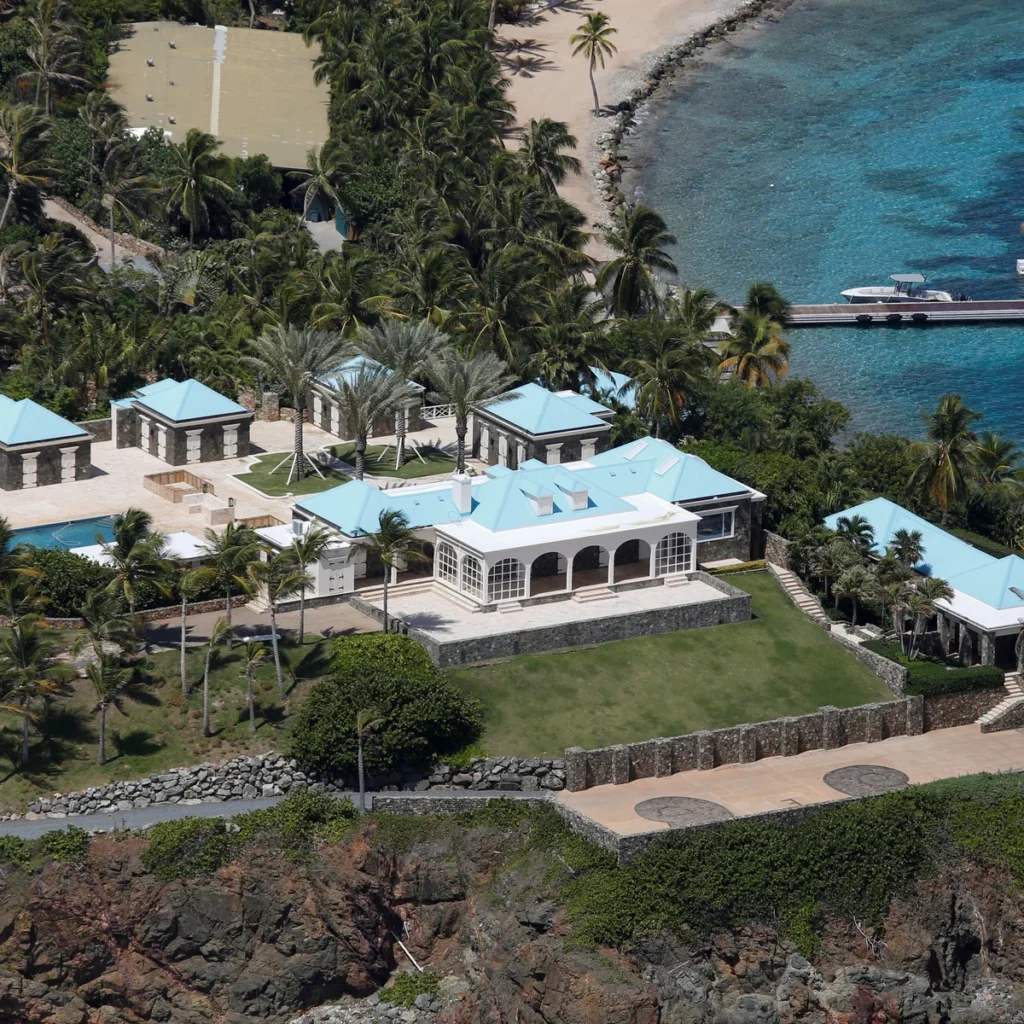
Further documentation suggests that Epstein received advance warnings regarding a police raid on his Florida home in the mid-2000s, prompting him to order the immediate removal of computer systems. Staff members also engaged in discussions about relocating and potentially erasing data from CDs and computers brought from his private island. Experts believe some of this sequestered material could predate the existing evidence currently held in the Justice Department’s files.
Even while incarcerated at the Palm Beach County Jail in 2009, Epstein continued to manage his hidden assets, asking Riley for a specific redacted photograph. Riley responded that the image was «in storage with everything else» and promised to retrieve it during his next visit to the unit. Furthermore, Epstein’s accountant, Richard Kahn, noted in 2012 that a unit near his New York mansion contained not just furniture, but a significant amount of «excess equipment,» including various computers and supplies. To date, the FBI has not provided a comment regarding whether these specific facilities were ever part of their formal investigation.