
Judicial Skepticism: The Failure of the Immunity Claim in the Spivey Shooting Case
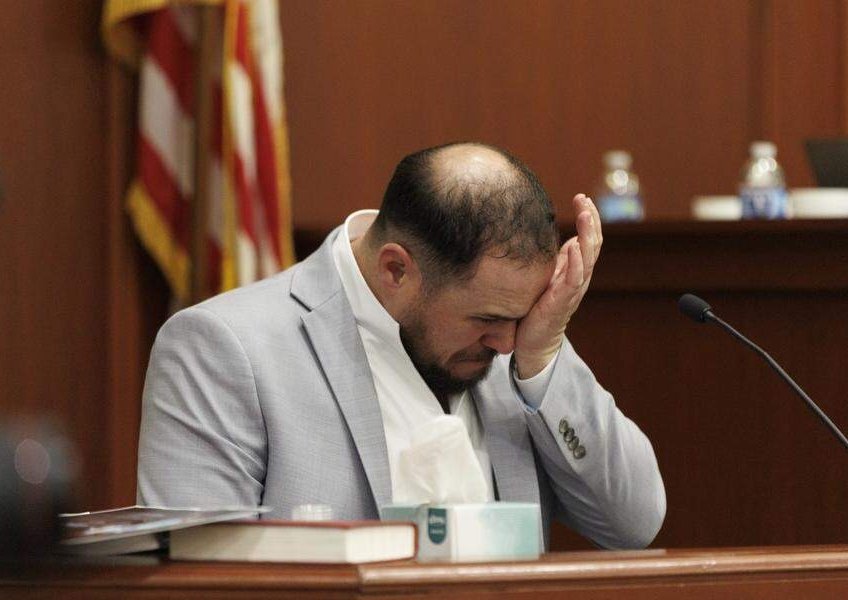
A significant legal barrier for Charles Weldon Boyd has been dismantled following a decisive ruling by Circuit Court Judge Eugene Griffith. Boyd, who sought immunity under South Carolina’s «Stand Your Ground» law for the 2023 fatal shooting of Scott Spivey, was denied this protection after a grueling four-day evidentiary hearing. The core of the judge’s decision rested on a series of surreptitiously recorded telephone conversations between Boyd and a Horry County police official. These recordings suggested that Boyd’s primary objective post-incident was to manipulate law enforcement optics rather than demonstrate a justifiable fear for his life at the moment of the shooting.
Judge Griffith’s ruling was heavily influenced by the defendant’s performance on the stand. In an unusually direct critique of a witness, the judge explicitly questioned Boyd’s credibility, noting that his testimony was inconsistent and failed to meet the threshold required for self-defense immunity. By ruling that the «Stand Your Ground» statute does not apply in this instance, Griffith has effectively cleared the path for a civil jury to hear the wrongful death lawsuit filed by the Spivey family. This development shifts the legal momentum, forcing Boyd to defend his actions in a trial where his past statements to the police will likely be a central focus for the prosecution.
Escalation on Camp Swamp Road: The Fatal Intersection of Road Rage and Legal Immunity
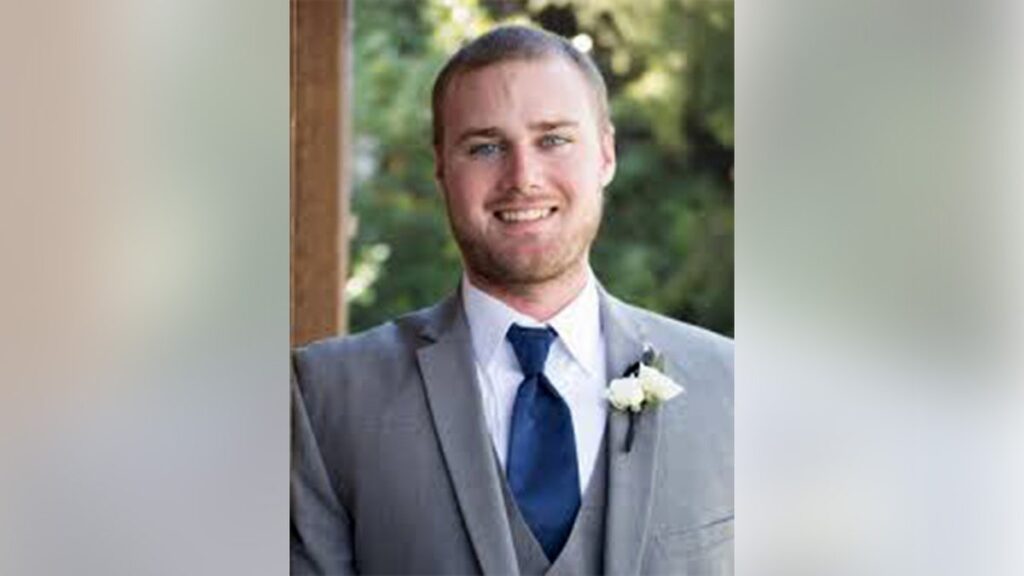
The tragic death of Scott Spivey, a 33-year-old insurance adjuster, serves as a complex case study in the application of South Carolina’s «Stand Your Ground» statutes. On September 9, 2023, what began as a routine driving encounter on Highway 9 rapidly deteriorated into a lethal confrontation on the rural stretch of Camp Swamp Road. The state’s investigation indicates that the conflict followed a trajectory common in aggressive driving incidents, moving from high-speed erratic maneuvers to a static, fatal standoff. The defendants, Charles Weldon Boyd and Kenneth «Bradley» Williams, centered their legal strategy on the perceived imminent danger Spivey’s driving and subsequent behavior supposedly presented.
The legal threshold for «Stand Your Ground» in South Carolina requires a defendant to prove by a preponderance of the evidence that they were not the aggressor and possessed a reasonable fear of death or grievous bodily harm. Unlike traditional self-defense, this law removes the «duty to retreat» if the individual is in a place where they have a legal right to be. Boyd and Williams argued that Spivey’s actions forced their hand; however, the court’s recent rejection of this immunity claim highlights the rigorous scrutiny applied to such defenses. The transition of this case from an immunity hearing to a civil wrongful death lawsuit underscores the high evidentiary bar required to prove that the use of deadly force was the only reasonable response in the heat of a road-rage encounter
The Crumbling Defense: Inconsistency and the Critique of Institutional Failure
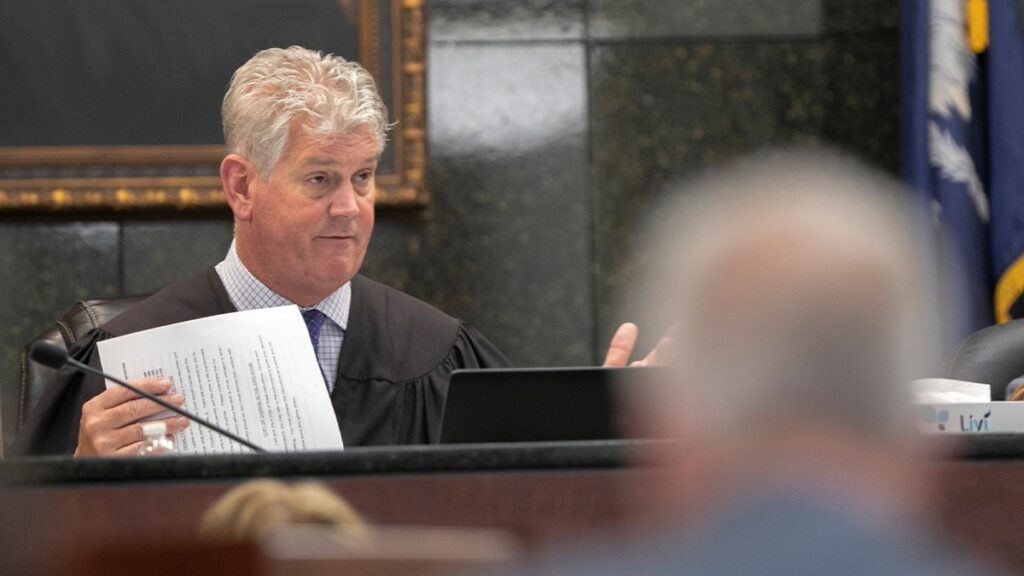
The civil proceedings regarding the death of Scott Spivey have exposed a profound rift between local prosecutorial findings and judicial scrutiny. Initially, the Horry County Solicitor’s Office declined to pursue criminal charges, shielding the defendants under the assumption that the incident was a textbook application of self-defense. This decision, however, was challenged by the Spivey family’s wrongful-death litigation. During the evidentiary hearing on February 20, 2026, Judge Eugene Griffith systematically dismantled Charles Weldon Boyd’s defense, noting that the physical evidence—including forensic data and 911 audio—rendered the defendant’s narrative legally untenable.
The judge’s ruling creates a significant legal precedent for road-rage cases in South Carolina, emphasizing that «Stand Your Ground» is not a blanket authorization for violence. While Boyd now faces a civil jury, the pending decision on Kenneth Williams’ immunity keeps the case in a state of partial suspension. The proceedings have also turned into a platform for condemning the original investigation. Attorney Mark Tinsley highlighted a troubling disparity between the information available to the Attorney General’s Office and the evidence actually processed by local authorities. Tinsley’s accusation—that officials willfully ignored a «mountain of evidence»—suggests that the initial failure to prosecute was rooted in institutional bias rather than a lack of incriminating facts.