

The United States has taken custody of nearly 100 high-level drug traffickers from Mexico, following a strategic shift by President Donald Trump to classify Mexican cartels as foreign terrorist entities.
This massive law enforcement operation, involving the transfer of 92 defendants, comes after the White House applied significant pressure on the Mexican government to honor long-standing extradition requests that had previously stalled.
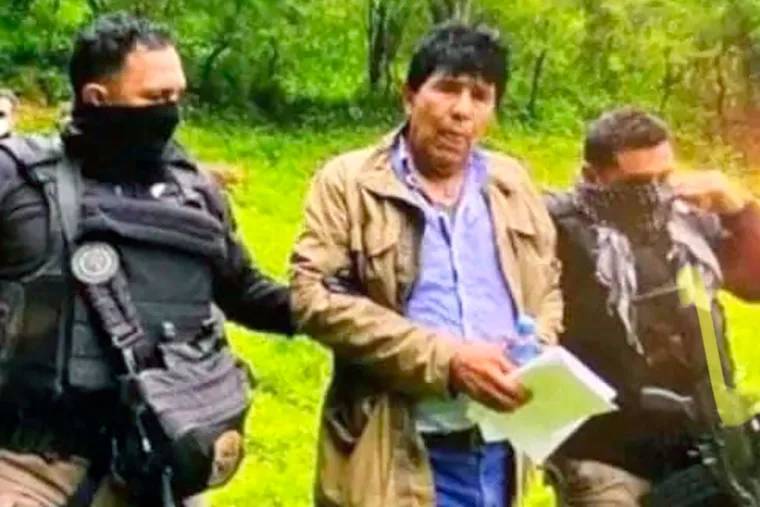
According to Attorney General Pam Bondi, the Department of Justice is moving aggressively to dismantle these transnational criminal organizations. «These terrorists from the Sinaloa Cartel, CJNG, and other groups will now answer for their crimes against the American people on American soil,» Bondi stated. She emphasized that the transfers, which occurred in three separate waves starting in February, represent a milestone in the administration’s campaign to neutralize the «menace of violent cartels.»
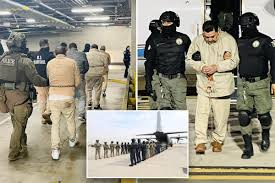
The list of extradited individuals includes high-profile figures such as Antonio Oseguera Cervantes, also known as «Tony Montana,» who is the brother of the late CJNG leader Nemesio «El Mencho» Oseguera Cervantes. Other significant captures include Pedro Inzunza Noriega and his son, Pedro Inzunza Coronel, who allegedly operated one of the world’s most sophisticated fentanyl manufacturing networks. Additionally, the sweep targeted Kevin Gil Acosta and Martin Zazueta Perez, key security officials for the «Chapitos» faction of the Sinaloa Cartel.
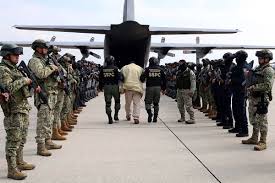
The defendants face a wide array of charges across 13 states and the District of Columbia, including:
- First-degree murder
- Large-scale drug and human trafficking
- Money laundering
- Racketeering
- Violent assaults using military-grade weaponry
Gadyaces S. Serralta, Director of the US Marshals Service, credited the success of these retrievals to the decisive leadership of the current administration. He noted that the operation sends a definitive message that international borders will no longer provide sanctuary for those fueling the American narcotic crisis. While those convicted are slated for eventual deportation, the DOJ noted that the severity of the charges means many will likely spend the remainder of their lives in US federal prisons.