
Systemic Failure at the Border: Whistleblower Warns of «Broken» ICE Training Amid Rapid Expansion
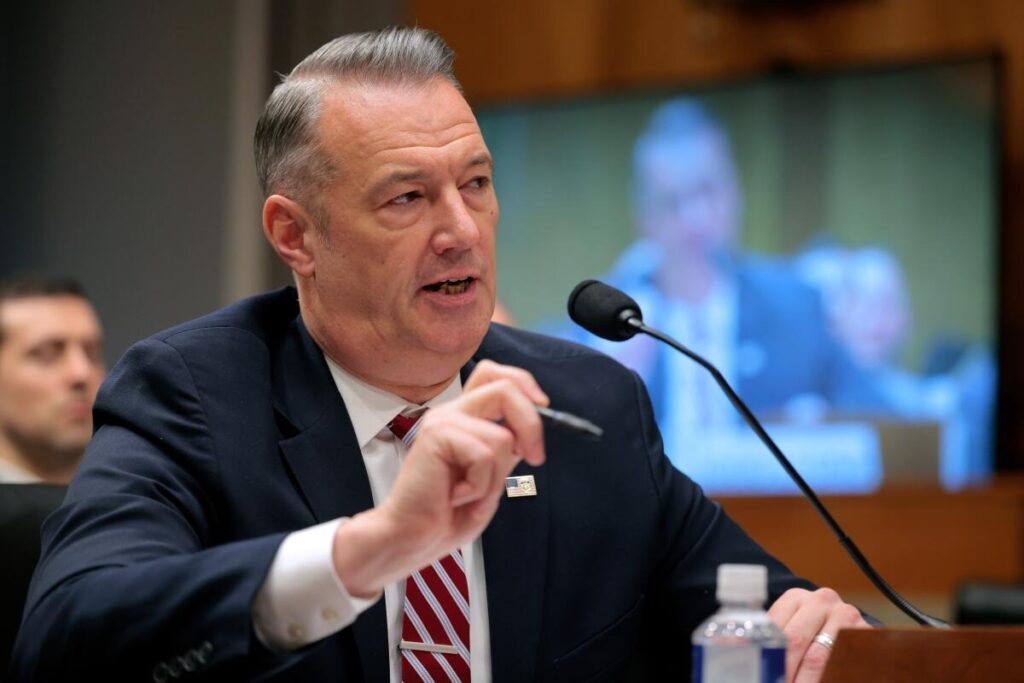
The internal crisis within U.S. Immigration and Customs Enforcement (ICE) reached a tipping point as Ryan Schwank, a prominent use-of-force instructor and attorney, delivered a blistering testimony before congressional Democrats. Having resigned on February 13, 2026, in a formal act of protest, Schwank categorized the current Basic Immigration Enforcement Training Program as fundamentally «inadequate, flawed, and broken.» He warned that the Trump administration’s mandate for rapid personnel growth is bypassing critical safety checks, effectively minting thousands of officers who cannot distinguish between a legal directive and an unconstitutional order.
This whistleblower disclosure arrives during a period of intense public scrutiny following the January killing of Renee Good in Minneapolis, an incident that has become a flashpoint for immigration reform. Schwank’s allegations of systemic dishonesty—specifically that ICE leadership is misrepresenting the volume of training provided to recruits—provide significant political leverage to Senate Democrats. By highlighting the risks posed by untrained agents on American streets, Schwank has turned a logistical staffing issue into a dire warning about public safety and constitutional integrity. The testimony directly supports Democratic demands for stringent oversight, including the highly contested proposal to strip ICE agents of the anonymity provided by tactical masks during raids.
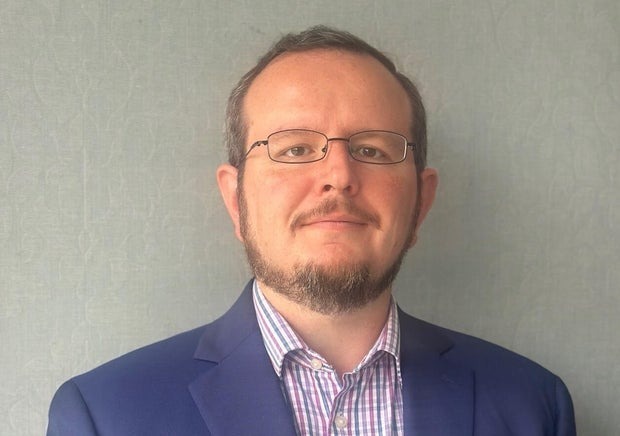
Individuals residing in the United States without legal status are not afforded the same constitutional protections as U.S. citizens. He emphasized that U.S. Immigration and Customs Enforcement (ICE) employs administrative warrants only in cases where an individual has received a final order of removal from an immigration judge.
Stevan Bunnell, a former general counsel of the Department of Homeland Security (DHS), who is scheduled to testify alongside Schwank at Monday’s hearing, argued that the Supreme Court has deemed such administrative warrants unconstitutional. In his prepared remarks, Bunnell stated that law enforcement authorities cannot lawfully issue warrants without judicial authorization.
Documents disclosed to Congress by whistleblowers further indicate that ICE intends to graduate more than 3,000 new enforcement officers by June. In a statement, Senator Blumenthal asserted that Schwank, by coming forward, was fulfilling a “moral imperative.”
He further called on others who may be troubled by the actions they are witnessing or being asked to undertake to speak out, emphasizing that doing so can have a meaningful impact.
ICE has faced mounting pressure from the White House to expand arrests and deportations under the Trump administration, which has pledged to implement the largest deportation initiative in U.S. history. Last year, White House Deputy Chief of Staff Stephen Miller stated that ICE should aim to carry out a minimum of 3,000 arrests per day.
During President Trump’s first year following his return to office, ICE conducted nearly 400,000 arrests, averaging approximately 1,000 per day. Although this figure falls short of the 3,000 daily target, it represents a significant increase from the roughly 300 daily arrests recorded in 2024. According to an internal DHS document obtained by CBS News, fewer than 14% of those arrested had records of violent criminal offenses. Overall, approximately 60% of individuals detained by ICE over the past year had criminal charges or convictions, while about 40% had no criminal history beyond civil immigration violations.