
Moran Security Group shadow fleet Boracay: Private guards and maritime intelligence
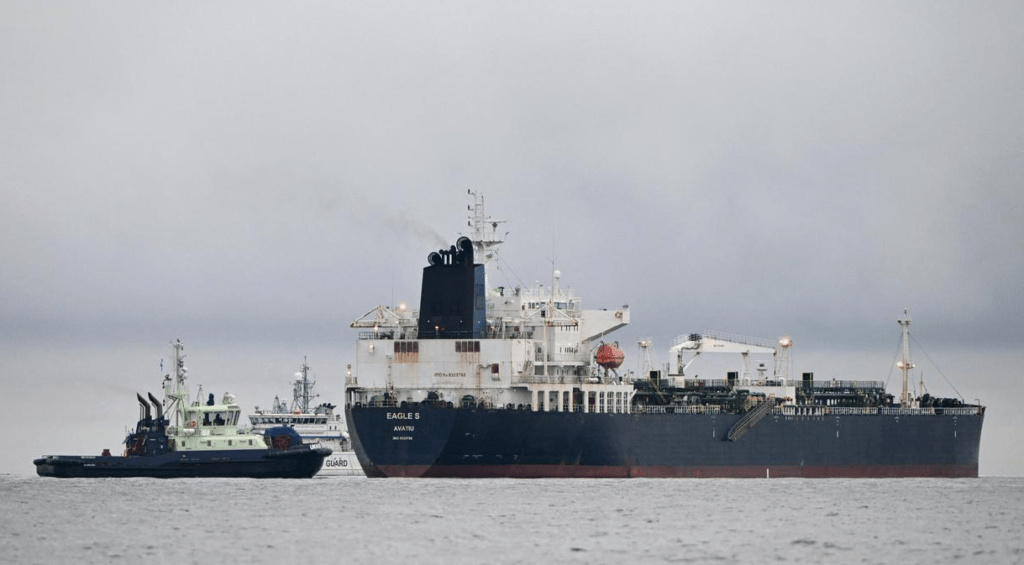
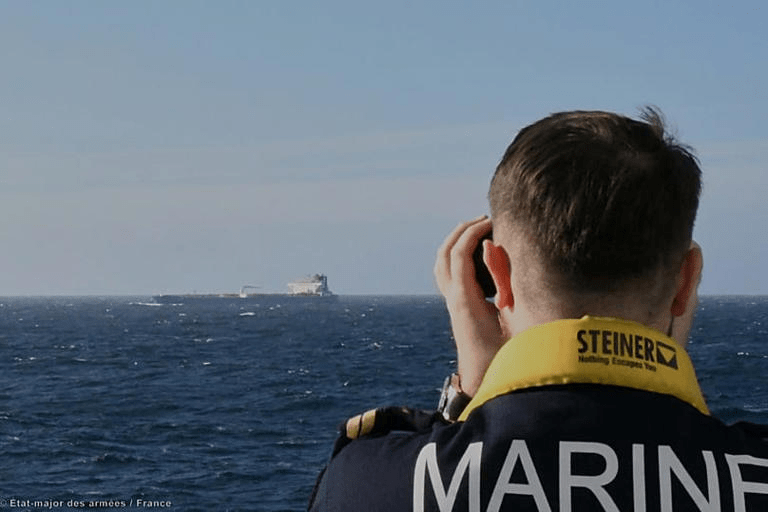
The detention of the tanker Boracay in the English Channel has exposed a deep connection between the Moran Security Group shadow fleet Boracay operations and Russian intelligence services. According to reports from Agence France-Presse, two Russian guards were discovered on board the vessel when it was stopped by French authorities. One of the men, identified as a 40-year-old former police officer, had previously worked for the Wagner private military company. Their primary role was not only to ensure the vessel followed orders in line with Russian interests but also to photograph European military assets and vessels as the tanker transited sensitive coastal areas.
Moran Security Group, founded by retired FSB officers, is now under increased scrutiny for its role in coordinating the movements of the Russian shadow fleet. European intelligence officials state that these private security teams act as a bridge between the state and commercial shipping, securing the Baltic oil lifeline that accounts for 60% of Russia’s oil exports. The Moran Security Group shadow fleet Boracay case is representative of a broader trend where dozens of tankers are accompanied by armed specialists with experience in the Middle East and Africa. In 2024, the U.S. Treasury sanctioned the firm for its contract work with Russian state enterprises, further cementing its status as a key player in sanctioned maritime trade.
As the trial of the Boracay’s captain, Chen Zhangjie, proceeds in Brest, the legal focus has shifted to the unusual presence of these non-sailor personnel. The captain testified that he did not choose to have the guards on board and that they represented the cargo interests. Although the tanker was eventually allowed to continue its journey to the Suez Canal, the exposure of the Moran Security Group shadow fleet Boracay mission has provided western agencies with a clearer picture of how Russia utilizes private military contractors to maintain control over its offshore energy exports and conduct clandestine surveillance.