
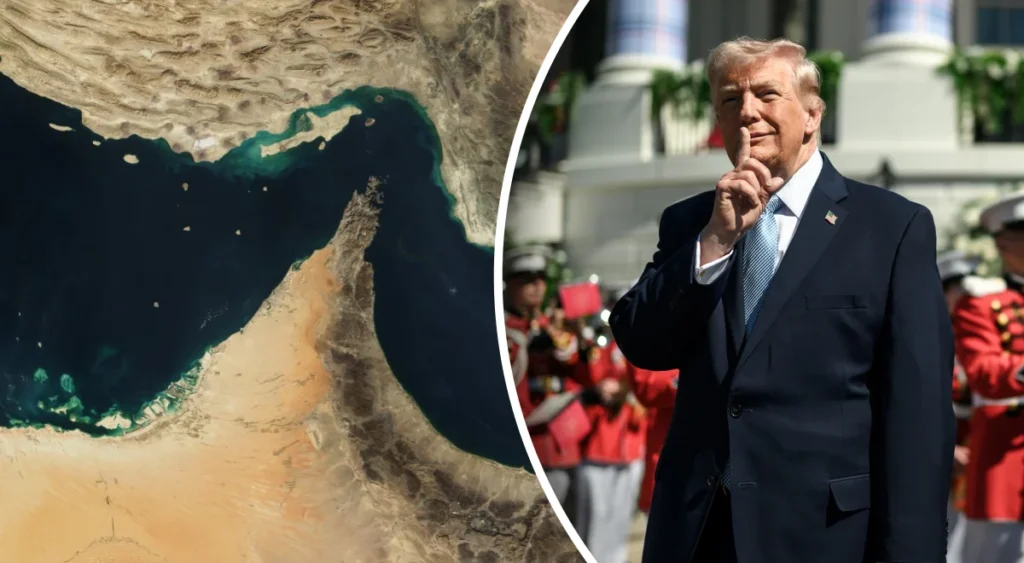
As direct diplomatic efforts to resolve the conflict commenced in Islamabad, Pakistan, President Donald Trump declared on Saturday that American forces have initiated operations to «clear out» the Strait of Hormuz.
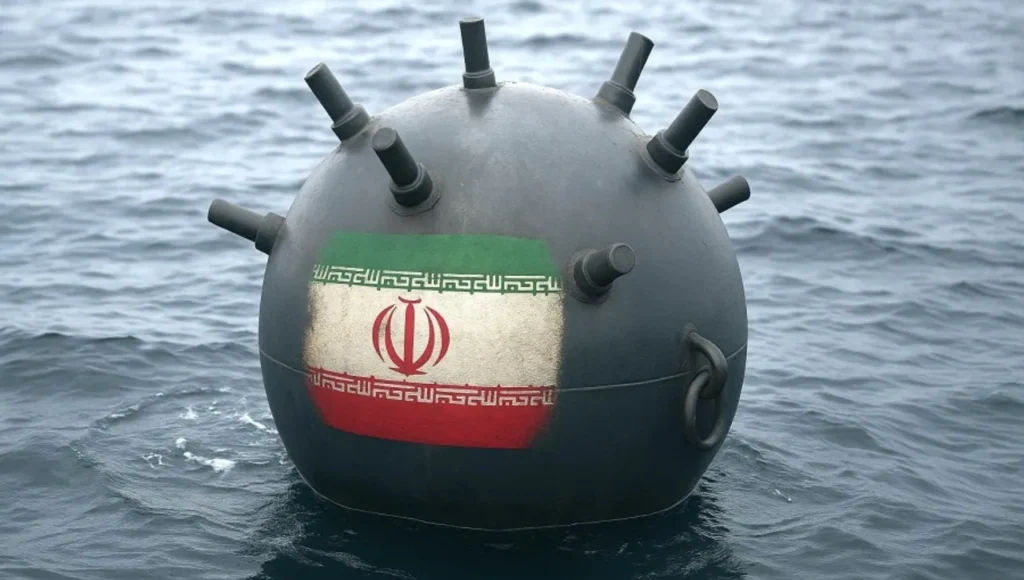
Writing on Truth Social, the President stated that the removal of maritime hazards is a gesture of support for global trade partners, including Japan, South Korea, China, and several European nations. Trump also asserted that Iranian influence is diminishing, noting that the threat from their mine-laying capabilities has been significantly neutralized.
The U.S. Central Command (CENTCOM) confirmed the commencement of these maritime operations. Admiral Brad Cooper, commander of CENTCOM, announced that forces are setting conditions to establish a secure transit route for international shipping. Tracking data highlighted the USS Michael Murphy and USS Frank E. Petersen Jr. navigating the strategic waterway on Saturday. While Iranian state media claimed their military forced a U.S. vessel to retreat, American officials through Axios dismissed these reports as inaccurate.
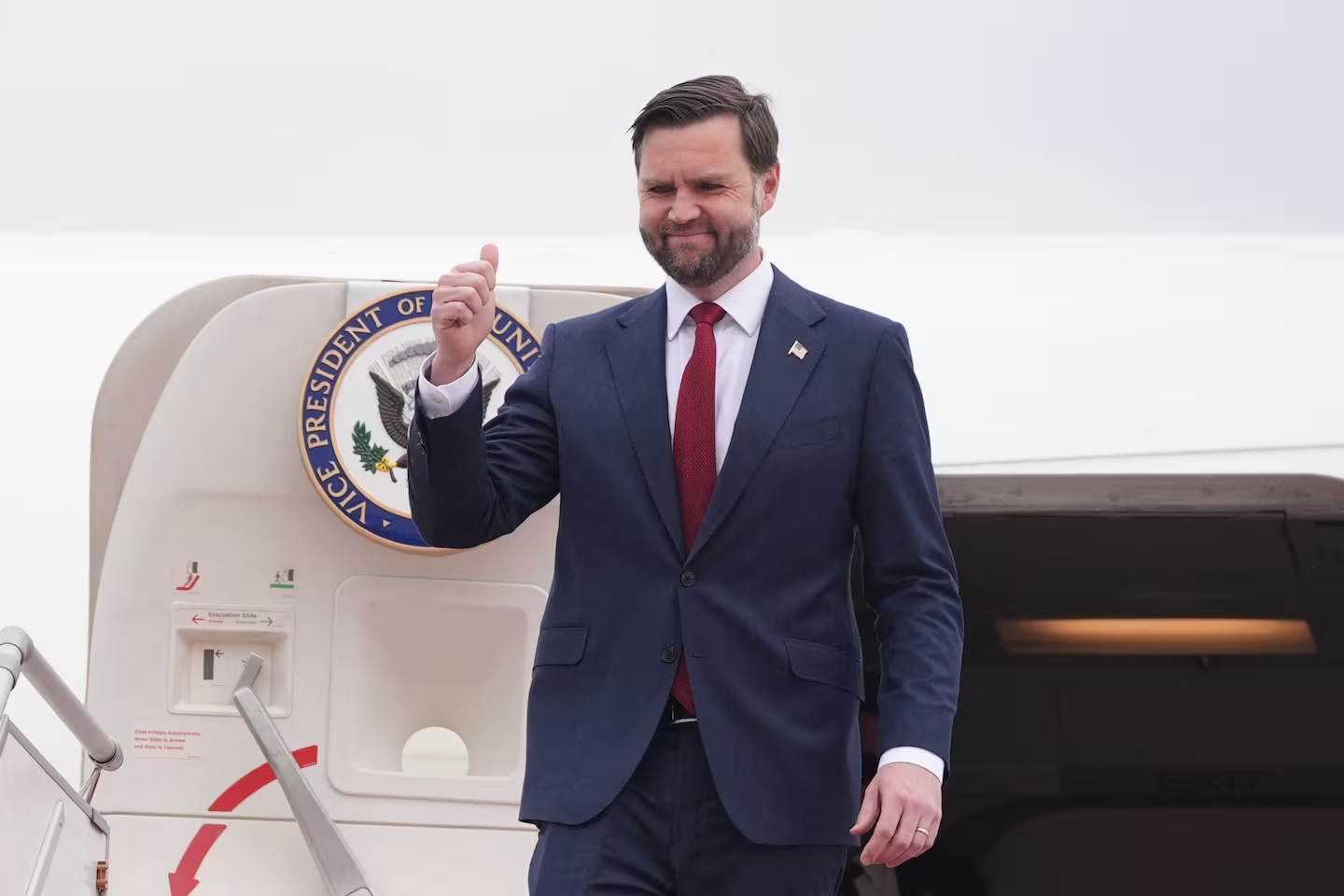
Simultaneously, a high-stakes diplomatic summit is unfolding at the Serena Hotel in Islamabad. Vice President J.D. Vance is spearheading the U.S. delegation, marking the most significant face-to-face engagement with Iran since 1979. The team includes Jared Kushner and special envoy Steve Witkoff. On the Iranian side, Parliament Speaker Mohammad Bagher Qalibaf and Foreign Minister Abbas Araghchi lead a 70-member team of experts. These talks, occurring during a fragile two-week ceasefire, aim to address a conflict that has resulted in thousands of casualties across Iran, Lebanon, and Israel since February.
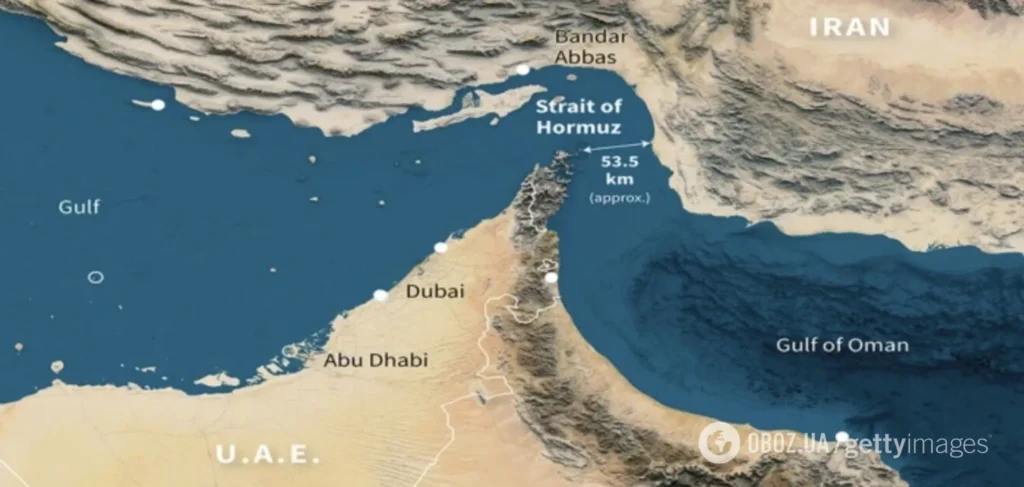
The negotiations center on competing frameworks for peace. Iran has presented a 10-point plan demanding the release of frozen assets, the lifting of all sanctions, and an end to Israeli military actions in Lebanon. Conversely, the U.S. proposal, transmitted via Pakistani intermediaries, consists of 15 points requiring strict limitations on Iran’s nuclear and military infrastructure. Reopening the Strait of Hormuz remains a non-negotiable American demand, as the passage carries roughly twenty percent of the world’s oil supply.
While diplomatic channels remain active into the late hours, regional tensions persist. Israeli Prime Minister Benjamin Netanyahu addressed his nation on Saturday, omitting any mention of the Islamabad summit. He emphasized that the military campaign is far from over, defending the destruction of Iranian strategic assets despite skepticism from Western intelligence agencies. As J.D. Vance navigates these complex discussions, his political future and a potential 2028 presidential bid may hinge on whether these sessions produce a lasting breakthrough or a return to active hostilities.