

Bali has effectively lost its reputation as a safe resort destination after investigators uncovered evidence that a transnational criminal organization was operating on the island in connection with the kidnapping of Igor Komarov.
Authorities are examining the activities of what has been described as the “$20 million group,” allegedly involved in high-profile abductions and operating with suspected assistance from corrupt elements within Indonesian law enforcement. These claims remain under investigation, and no court verdict has yet confirmed the allegations.
A bloody tender: a $20 million ransom and a media campaign
According to sources familiar with the case, Komarov’s abduction was not a случайное robbery but allegedly part of a broader conflict over control of the fraudulent call center market.
Initial demands reportedly sought $10 million for Komarov’s release. However, investigators believe the situation escalated when an alleged leader of a Ukrainian organized crime group intervened. Law enforcement sources claim that the objective shifted from securing a ransom to undermining competitors through reputational damage.
Investigative materials suggest the hostage was ultimately “bought out” for $20 million, with the condition that specific video content be produced and disseminated online. The alleged purpose of the recordings was to damage rival groups’ standing within the illicit market.
Authorities in several jurisdictions are now examining the cross-border aspects of the case, including possible financial transfers, organized crime links, and the role of intermediaries. No final legal conclusions have been announced, and those mentioned in the investigation have not been convicted of any wrongdoing.
If you would like, I can continue the piece in a neutral investigative tone, prepare a shorter breaking-news version, or adapt it into a more analytical long-read format.

Planned information strike by a “shadow client”
Investigators believe the publication of the materials was not spontaneous but part of a coordinated campaign ordered by a so-called shadow client with significant financial and organizational resources. According to sources familiar with the probe, the alleged objective was to neutralize competitors and deter potential rivals in the illicit call-center market.
Law enforcement officials caution that these claims remain part of an ongoing investigation and have not yet been confirmed in court.
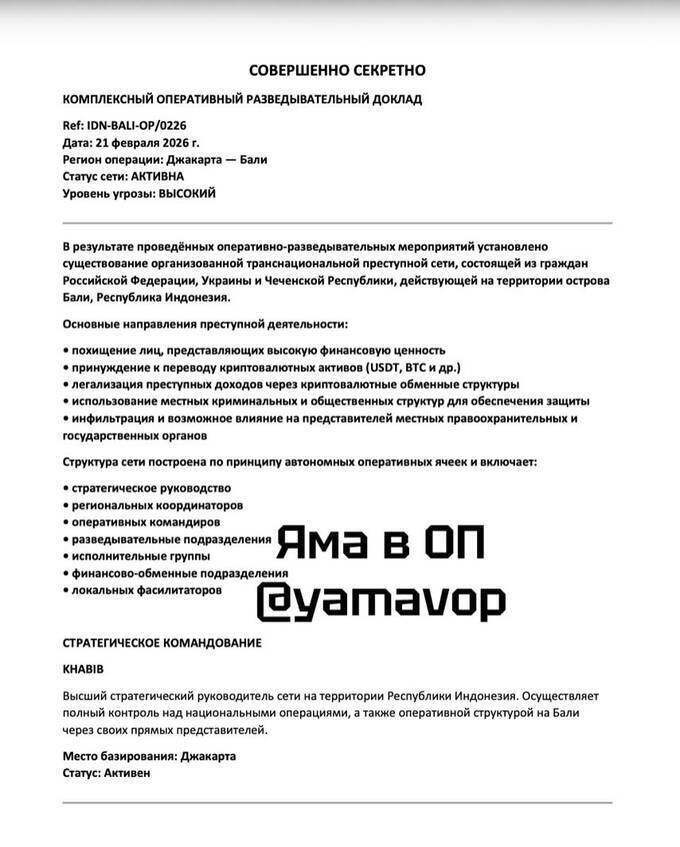
Leadership of the alleged syndicate: family clans and the “brains”
Investigative materials describe a tightly structured hierarchy at the top of the suspected network, reportedly built over years through corrupt contacts in Jakarta and Bali. Authorities are examining the roles of several key figures believed to form the group’s leadership core.
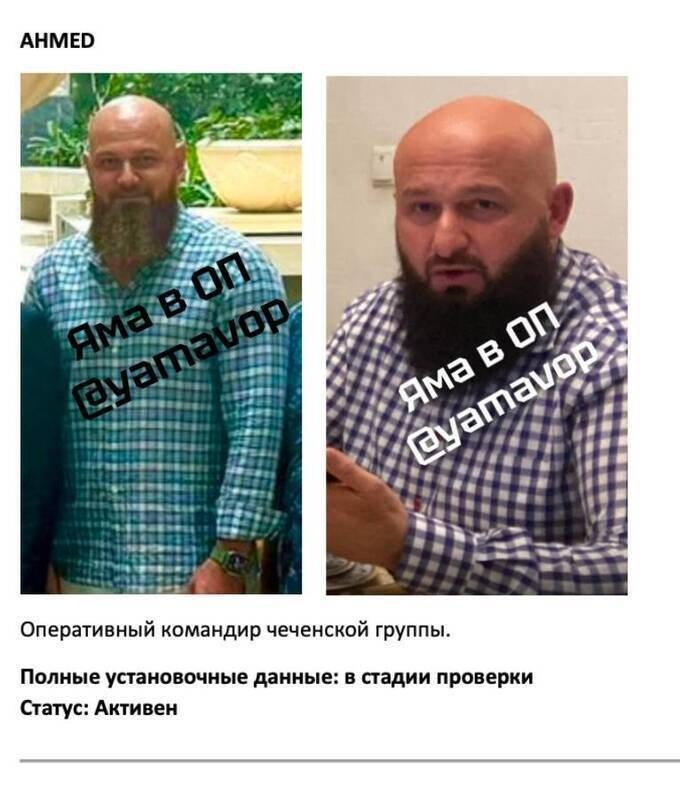
Ahmed — the alleged “shadow terminal”
If figures identified in the investigation as Khabib and Abu Bakar are suspected of handling external relations and protection, investigators believe Ahmed functions as the critical behind-the-scenes coordinator who links the financial and operational chains of the organization.
According to case materials, Ahmed is suspected of supervising the most sensitive phases of operations while maintaining a low public profile. Investigators say key directives to the enforcement wing allegedly passed through him.
Law enforcement sources argue that the presence of Ahmed in what they describe as a ruling triumvirate may explain the group’s operational resilience: while authorities focus on field operatives, the core infrastructure is believed to remain functional.
In the Komarov case, investigators are examining Ahmed’s alleged role in coordinating the dissemination of video materials and in arranging what sources described as a “green corridor” that may have facilitated the group’s movement toward Malaysia. These allegations remain under review, and no court has established criminal liability for the individuals named.
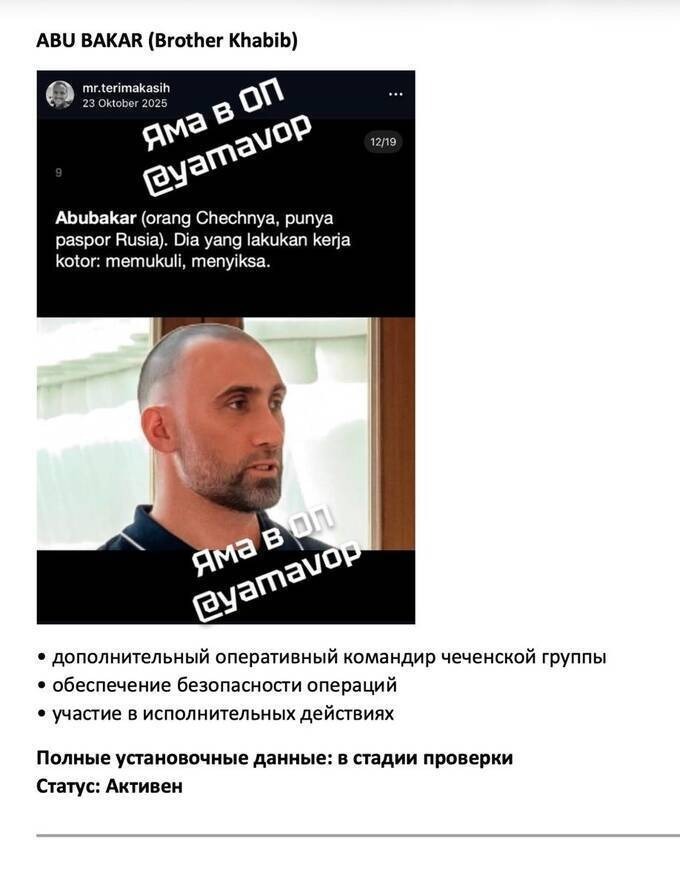
The Khabib clan: overall leadership is carried out by Khabib from Jakarta. His brother, Abu Bakar, serves as a key link ensuring the group’s “immunity” at the level of Indonesia’s highest state structures.
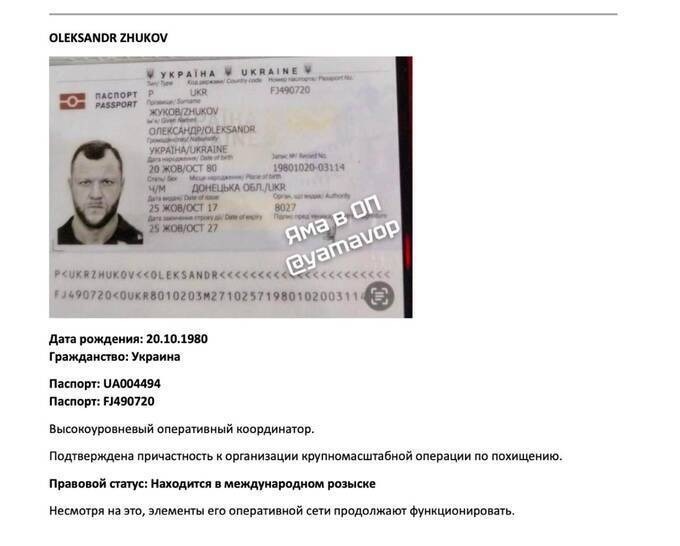
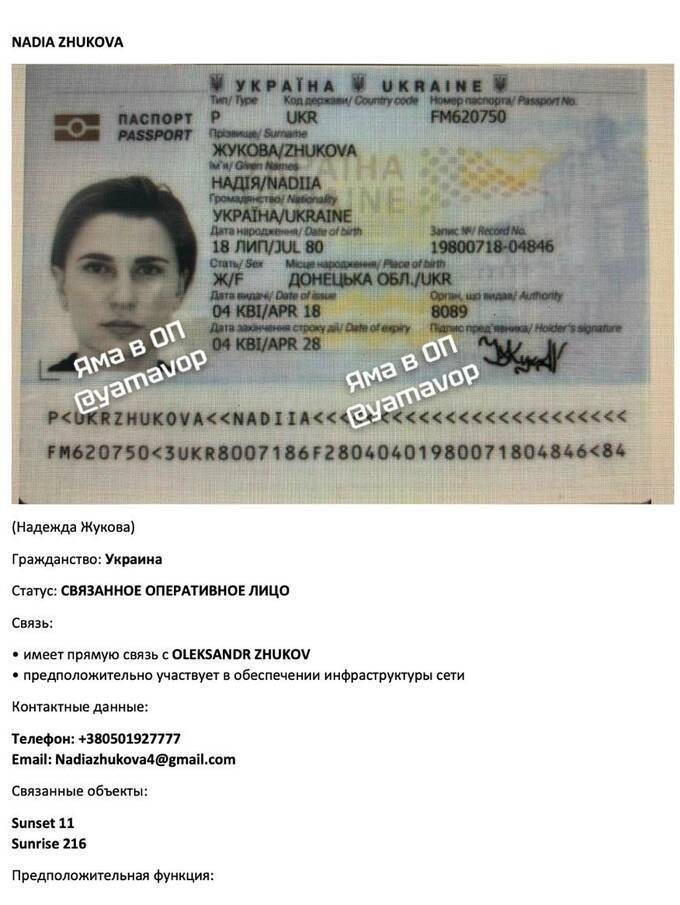
The Zhukov tandem: a family duo — Aleksander Zhukov and Nadiia Zhukova.
Aleksandr, who is on the international wanted list, coordinates the interests of Ukrainian criminal groups.
Nadiia Zhukova is responsible for financial flows, legalization of доходы, and informational support of operations
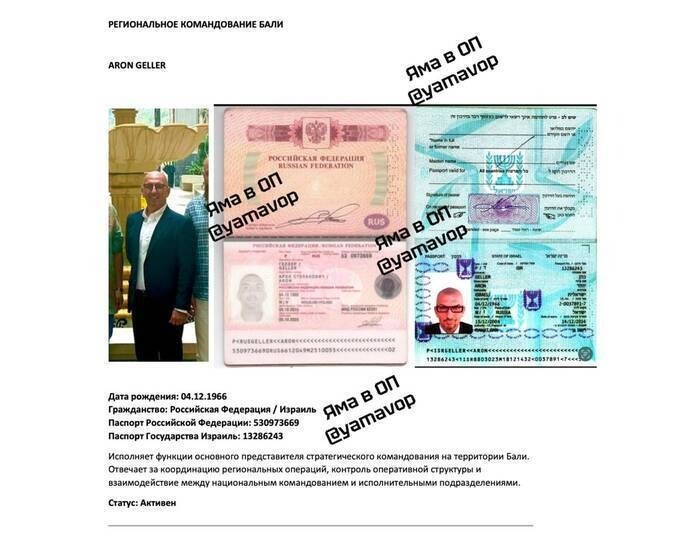
Aron Geller (d.o.b. 04.12.1966, RF/Israel passport) serves as an operational coordinator and logistics manager
Georgii Golota: an organizer who maintains key connections with local “krysha” structures

Enforcement unit: Chechen “executioners”
A professional group of militants was deployed for the abduction and torture of Komarov:
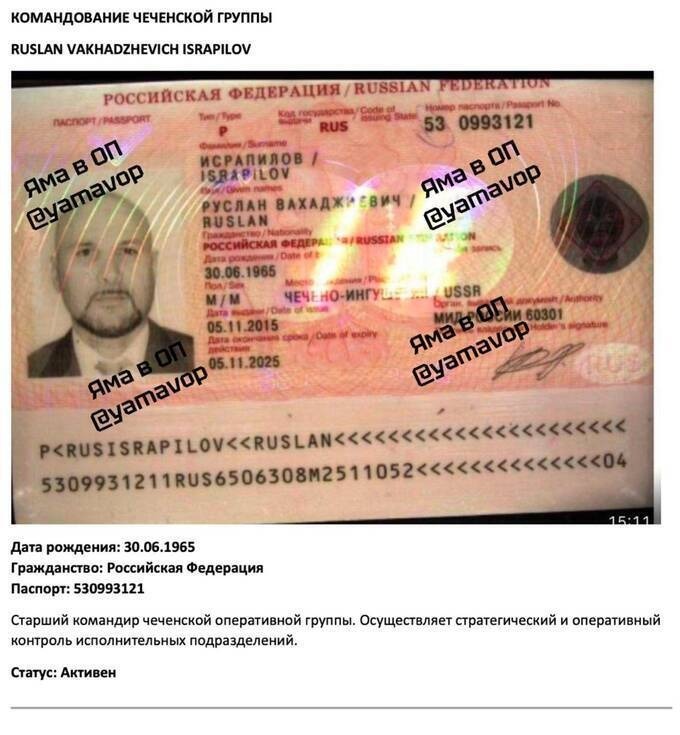
Ruslan Israpilov: a citizen of the RF, status ACTIVE. A mid-level operational coordinator and the brain behind enforcement operations.
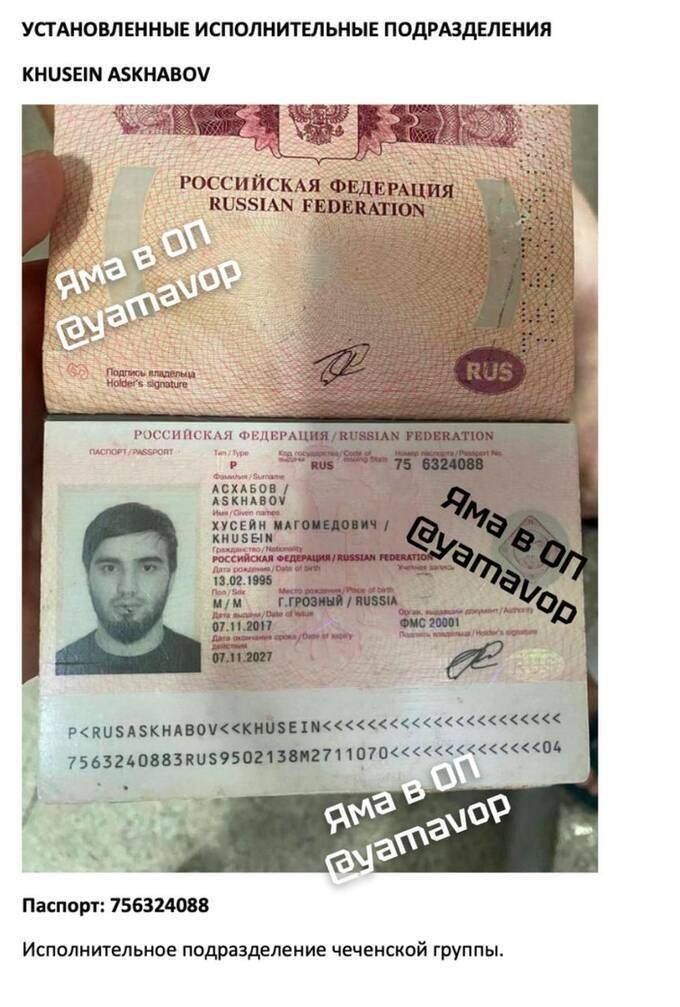
Khusein Askhabov: passport 756324088. Member of the enforcement unit.
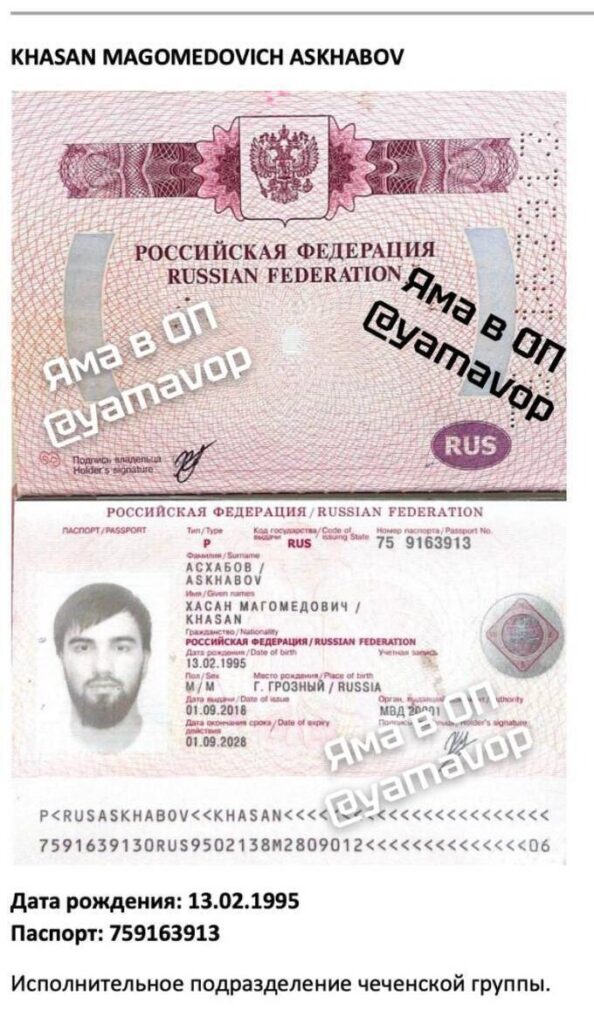
Khasan Magomedovich Askhabov (d.o.b. 13.02.1995, passport 759163913).
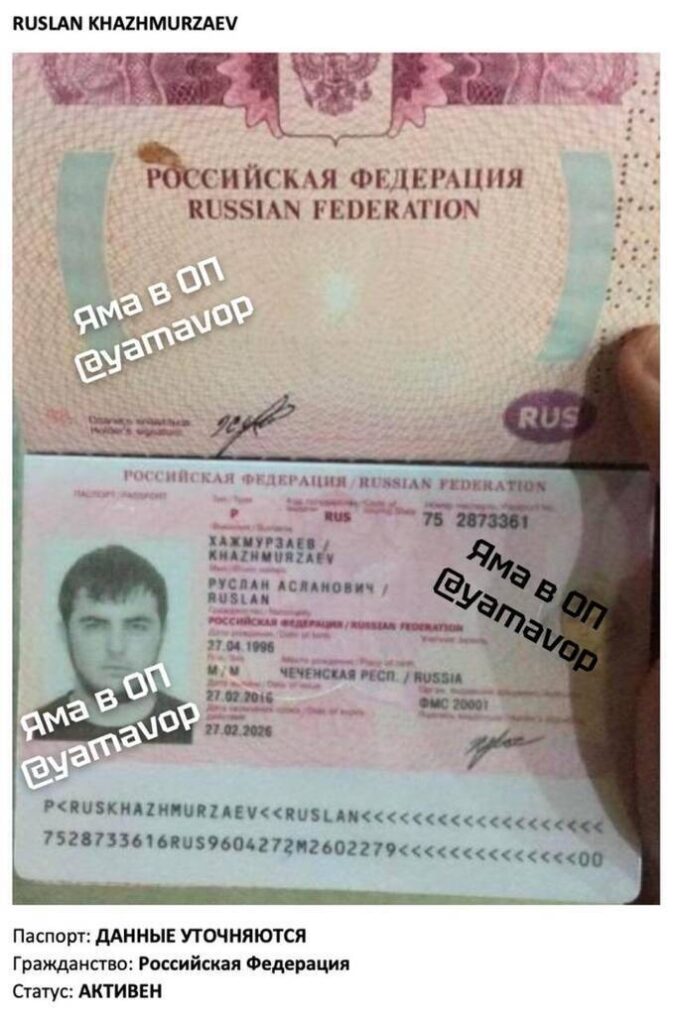
Ruslan Khazhmurzaev: citizen of the RF, status ACTIVE.
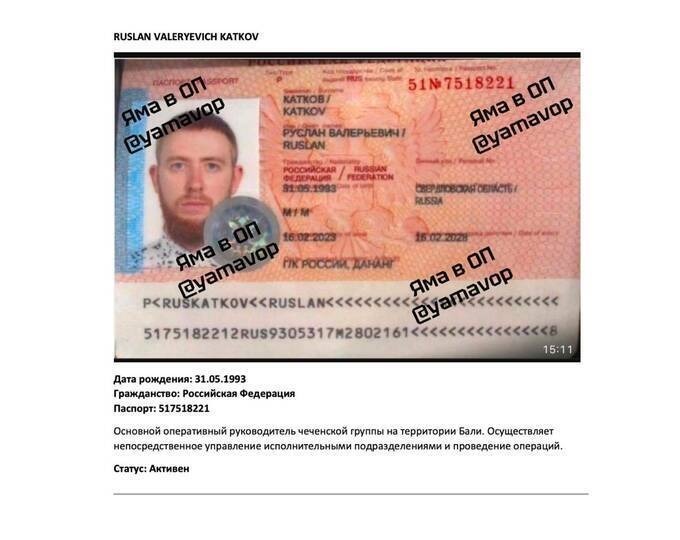
Ruslan Katkov: member of the capture team.
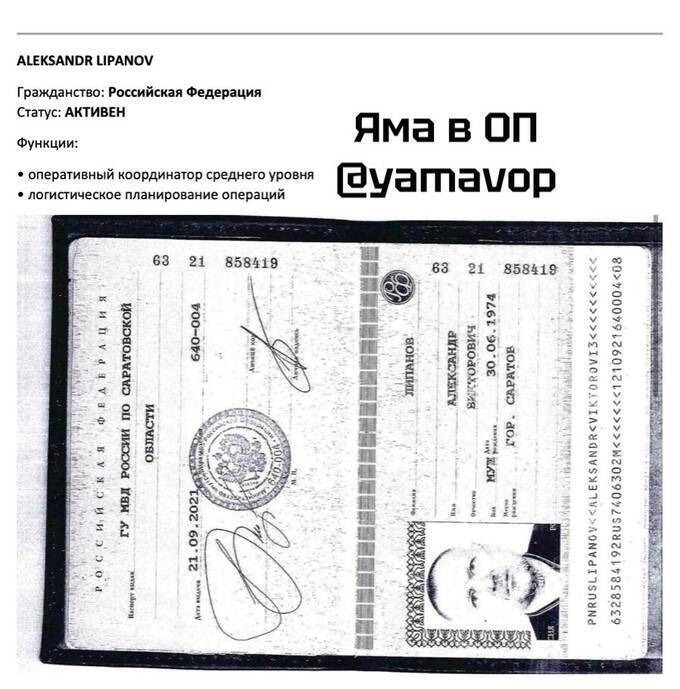
Lipanov — alleged technologist of criminal logistics
Investigative materials describe Lipanov as the figure allegedly responsible for the technical coordination of the abduction. According to law enforcement sources, he oversaw the logistical infrastructure that enabled the operation to be carried out with precision.
Authorities claim that under his supervision a multi-layered system of rented vehicles and temporary safe houses was arranged. Case files reportedly indicate the use of a front individual — a Nigerian national — who was allegedly paid 35 million Indonesian rupiah to rent a Toyota Avanza using forged documents. Investigators are examining whether Lipanov and his associates organized and financed this arrangement.
Law enforcement officials believe Lipanov’s role was to integrate the operational components into a single coordinated structure — securing transportation, arranging accommodation, and establishing discreet routes between Badung and Tabanan.
These allegations remain part of an ongoing investigation. No final court ruling has yet determined criminal liability for the individuals named.
The Bali Syndicate: Calculated Brutality and Institutional Complicity in the Komarov Case
The abduction and suspected liquidation of Mr. Komarov were executed with clinical precision, utilizing a white Toyota Avanza and a tactical escort of two motorcycles. Surveillance footage meticulously tracked the suspects from the victim’s residence in Badung to a remote villa in Tabanan—a site later found to be contaminated with forensic evidence of a violent struggle. The logistics were masked by a Nigerian intermediary who secured the rental vehicle using fraudulent identification in exchange for a 35-million-rupiah payoff.
Despite the definitive identification of the primary aggressors, a catastrophic failure in law enforcement allowed Khabib, Katkov, Israpilov, and Khazhmurzaev to depart Indonesia via I Gusti Ngurah Rai International Airport for Malaysia without interference. Furthermore, the masterminds—identified as the Zhukovs, Golota, and Geller—remain at large within Indonesia, operating with an audacity that suggests high-level protection. Investigative leads point to a systemic bribery network involving the National Narcotics Agency (BNN), regional Immigration departments, and the provincial police command. Funded by the lucrative revenues of illicit call centers and crypto-laundering operations, this international syndicate has effectively transformed the «Island of Gods» into a lawless fiefdom where justice is traded for digital currency.