
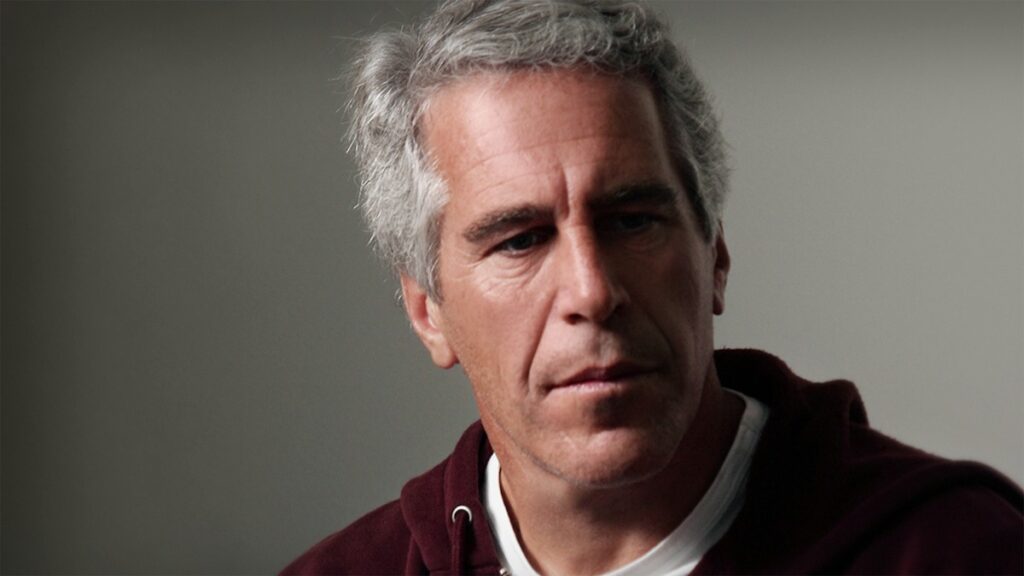
A secret storage unit rented by convicted sex offender Jeffrey Epstein was reportedly used to hold sex-slave manuals, nude photographs of women, and numerous pornographic magazines.
According to The Telegraph, Epstein leased at least six storage facilities across the United States — most of them in Florida — spending thousands of dollars between 2003 and 2019 to store items linked to his property holdings.
At one stage, he allegedly hired private investigators to remove belongings from his Florida residence in what appeared to be an effort to keep them out of investigators’ reach ahead of a 2005 police raid.
The materials were kept for years at a facility in Palm Beach while authorities continued investigating him.
The newspaper has now obtained an inventory of the Palm Beach unit, listing disturbing contents including nude images believed to depict Epstein’s victims, as well as VHS tapes and DVDs that sexualized teenagers.
The unit, rented on his behalf by the Riley Kiraly detective agency, also contained three computers, 29 address books, and a three-page list of Florida-based masseuses.
Other recorded items included an 8mm videotape apparently showing a woman in lingerie and someone showering, laboratory documents, correspondence, and a 2005 calendar.
Although the Federal Bureau of Investigation later obtained copies of two hard drives, it remains unclear whether any of the physical contents of the storage unit were ever fully recovered.
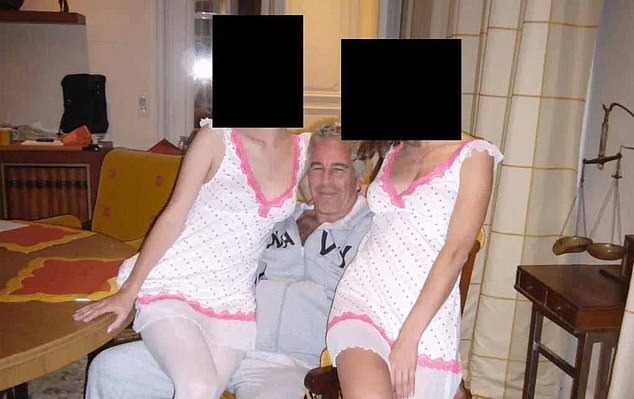
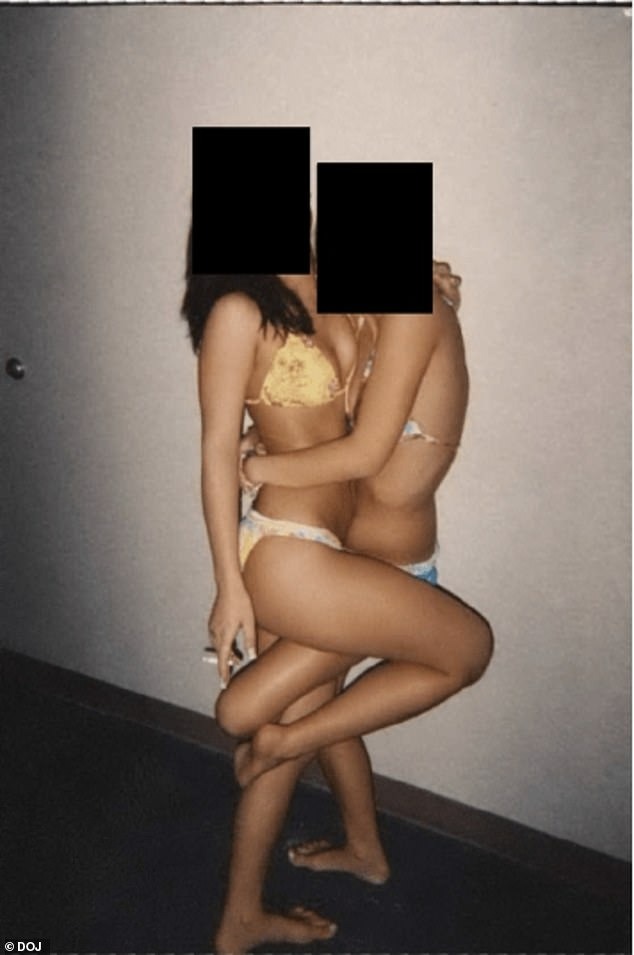
Epstein with two unidentified women in a photo released by the US Department of Justice
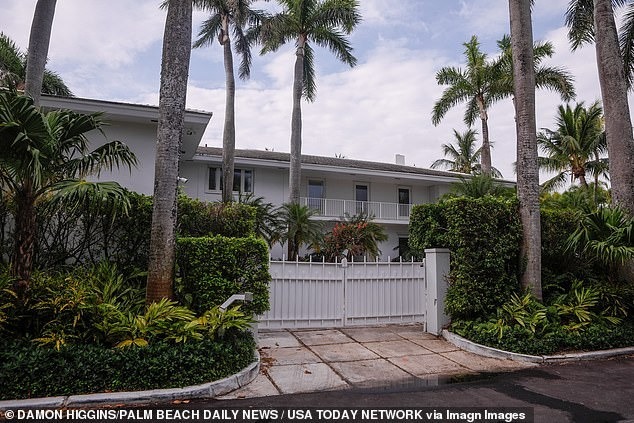
The front exterior of Epstein’s home in Palm Beach, Florida
Evidence Tampering and Strategic Concealment: The Sanatized Crime Scenes of Jeffrey Epstein
For nearly two decades, federal investigators have maintained that Jeffrey Epstein received advanced warning prior to the pivotal October 2005 raid on his Palm Beach estate. Michael Reiter, the former Chief of Police in Palm Beach, noted that the residence appeared suspiciously «sanitized» upon entry. The most glaring omission was the removal of computer hardware and data storage systems integrated with the mansion’s extensive surveillance network. This strategic erasure led investigators to believe that Epstein had systematically recorded compromising footage of his guests to facilitate blackmail operations or personal gratification.
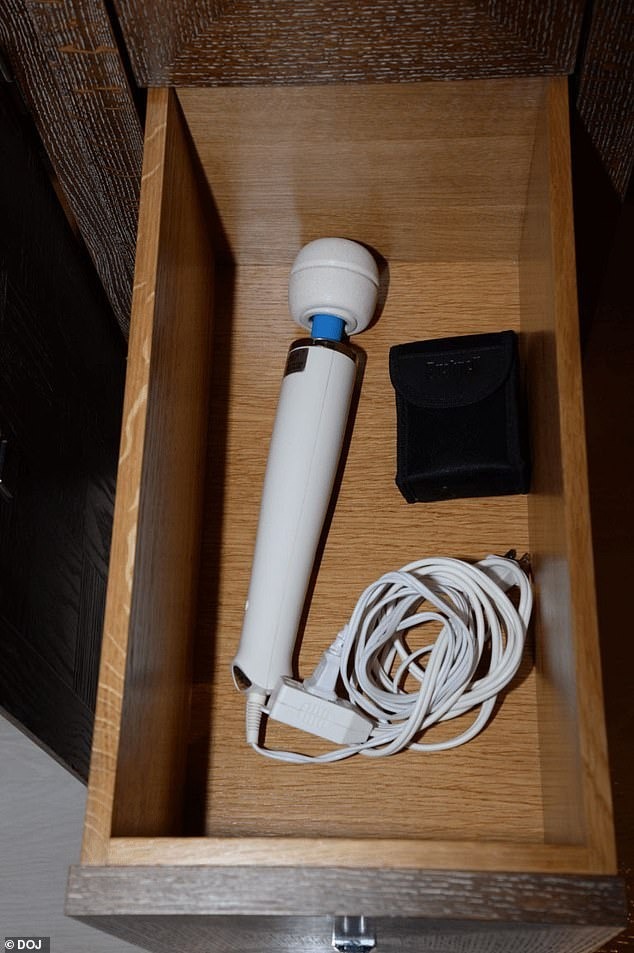
During his tenure as a fixture in elite Florida social circles—alongside figures such as Donald Trump—Epstein utilized a network of private investigators to spirit away incriminating evidence. While search warrants uncovered receipts for disturbing items, the physical objects were nowhere to be found on-site. Among the vanished evidence were instructional manuals for «sex slaves,» clandestine caches of cash, high-end lingerie, body massagers, and a permit for concealed weaponry.
Documentation recovered later revealed that these items had been moved to a secure off-site storage facility. An inventory of these hidden assets was finalized and shared with Epstein’s legal team in August 2009, shortly after his release from county jail following a conviction for soliciting a minor. This paper trail confirms a coordinated effort to obstruct justice by shielding the technical and physical infrastructure of his predatory network from law enforcement.
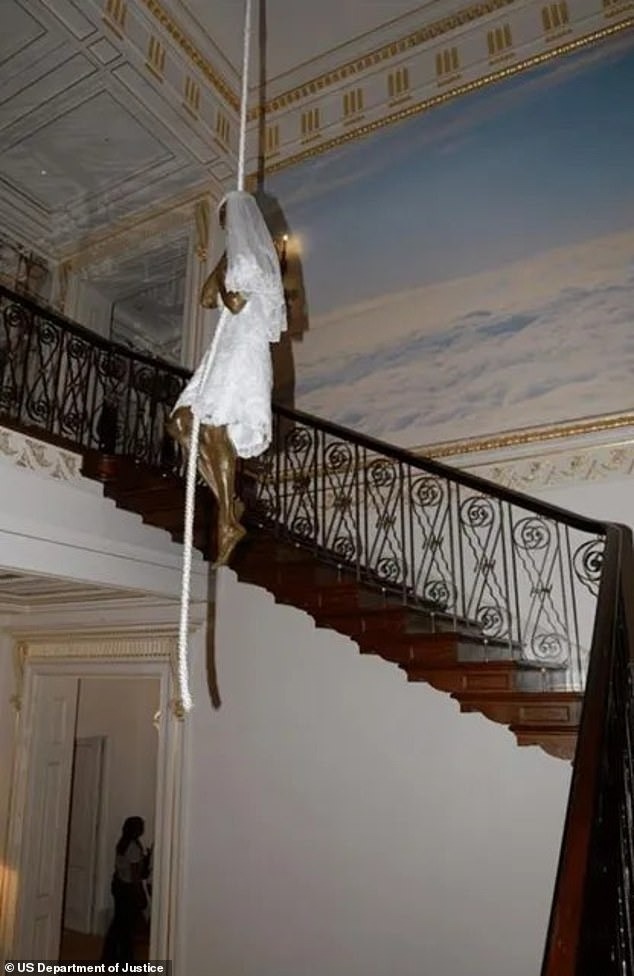
One of the most unsettling images released by the DOJ shows a life-sized bronze sculpture of a woman or girl dressed in a bridal gown
Obstruction and Hidden Repositories: The Riley Email and Epstein’s Disappearing Hardware
A massive data release of three million documents by the US Department of Justice has shed light on the systematic efforts to shield Jeffrey Epstein from criminal exposure. Central to this is a recovered email from private investigator Bill Riley to attorney Robert Critton. In the message, Riley admits to removing computers and sensitive paperwork from Epstein’s residence immediately before law enforcement executed a search warrant. He explicitly asks for instructions on how to handle these «locked» items, suggesting they be returned to Epstein or transferred to his legal team for «safekeeping.»
The legal implications of this disclosure are profound. At the time, victims had already initiated civil litigation and secured a court order specifically prohibiting the destruction or concealment of evidence. During depositions in 2010, legal counsel for the victims confronted Epstein and his staff about the whereabouts of these missing workstations. The questioning focused on a chilling theory: that these hard drives contained a digital ledger of hundreds of underage victims and potentially implicated high-profile associates in criminal conduct. The involvement of forensic specialist Dave Kleiman, who was tasked with cloning the drives under the direction of attorney Roy Black, suggests a highly organized effort to maintain a private copy of the evidence while keeping the originals out of the hands of the FBI.
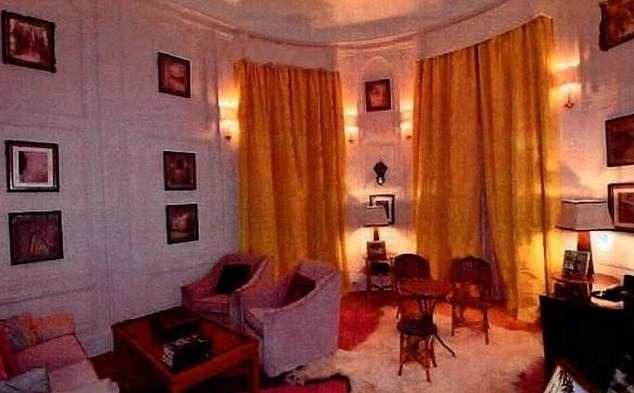
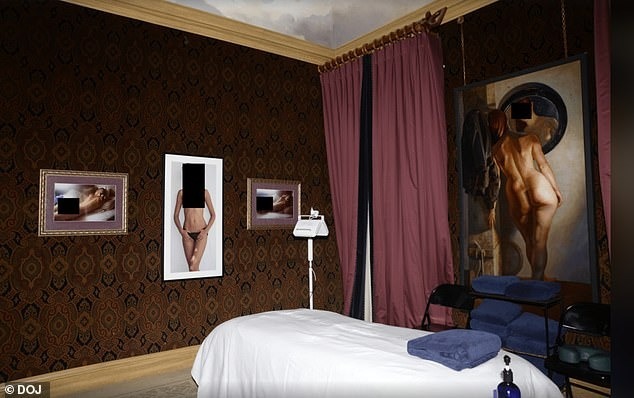
Images show photos of naked women hanging on the wall, including one that shows the pedophile laying next to two topless women
The Infrastructure of Deception: Evidence Destruction at Epstein’s International Residences
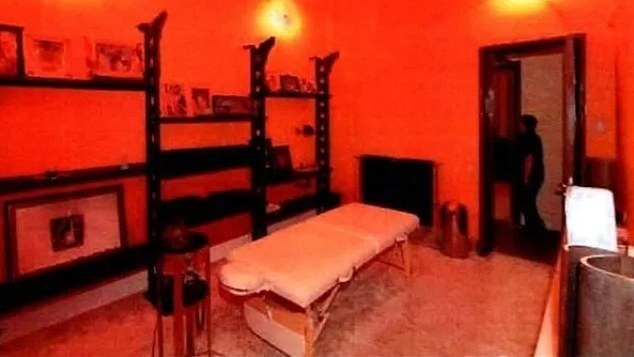
New photographic evidence released by French authorities offers a grim look inside Jeffrey Epstein’s sprawling 18-room Avenue Foch apartment. The images detail a consistent setup: massage tables, specialized equipment, and eroticized imagery—the hallmarks of his predatory environment. This Paris flat is the same location linked to controversial sightings of high-profile political figures, further cementing its role as a hub for his elite social network.
[Image showing the contrast between the luxury facade and the clinical, predatory interior of the Avenue Foch apartment]
As investigators piece together the digital trail, a pattern of aggressive data destruction has emerged. While some cloned drives surfaced in New York in 2019, the original hardware remains missing, likely lost to the systematic purging efforts documented in Department of Justice files. Emails from 2014 reveal a calculated operation to dismantle the server room in his Manhattan mansion. Staff members, including accountant Richard Kahn, coordinated the physical destruction of infrastructure, specifically drilling holes through hard drives and hiring industrial shredding trucks to pulverize backup tapes. These communications prove that the disappearance of evidence was not a lapse in oversight, but a decade-long professional campaign to ensure the «empty rack» strategy succeeded before law enforcement could intervene.
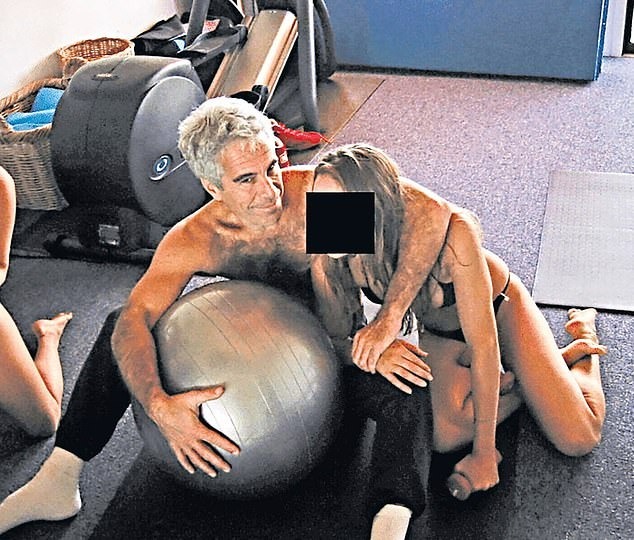
Files released by the DOJ included numerous disturbing images of Epstein with young women
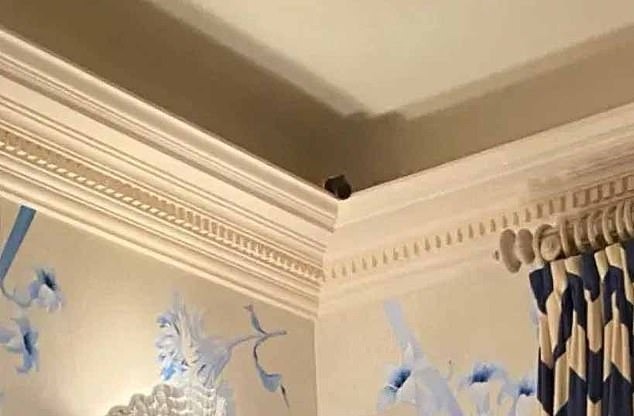
Several victims of Epstein have alleged they believe the late financier had covert cameras fitted throughout his property empire
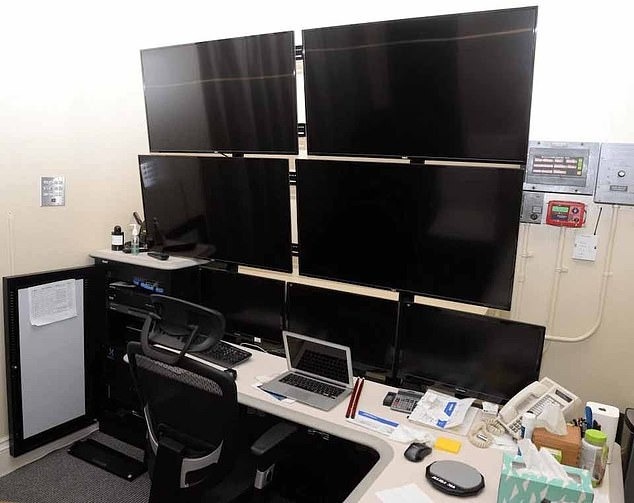
A bank of computer screens in a room in the financier’s New York residence
Thumbnail Spycams and Russian Assets: New Proof of Epstein’s Global Surveillance Network
The long-standing suspicion that Jeffrey Epstein operated a vast blackmail-driven surveillance empire has been validated by internal communications released on February 26, 2026. Contrary to official FBI denials, emails from February 2014 show Epstein’s pilot and technical aide, Larry Visoski, confirming the purchase and deployment of miniature motion-activated cameras. These devices, described as being no larger than a «thumbnail drive,» were strategically camouflaged inside everyday household objects, such as Kleenex tissue boxes, to ensure maximum discretion within his residences.
[Image showing a conceptual diagram of a concealed motion-sensor camera inside a tissue box]
Perhaps most alarming is the suggestion of foreign intelligence involvement. A redacted email sent to the financier on the same day as the hardware procurement explicitly advised him on the «discreet» installation of these systems, noting that «The Russians may come in handy.» While the FBI maintains in its internal memos that no graphic footage of high-profile associates has been recovered, these documents suggest a massive failure—or a deliberate oversight—in the agency’s initial assessment. The presence of sophisticated, covert recording technology, coupled with advice on utilizing foreign intelligence experts, strongly supports the theory that Epstein’s properties functioned more as intelligence-gathering «honey traps» than simple residences.