
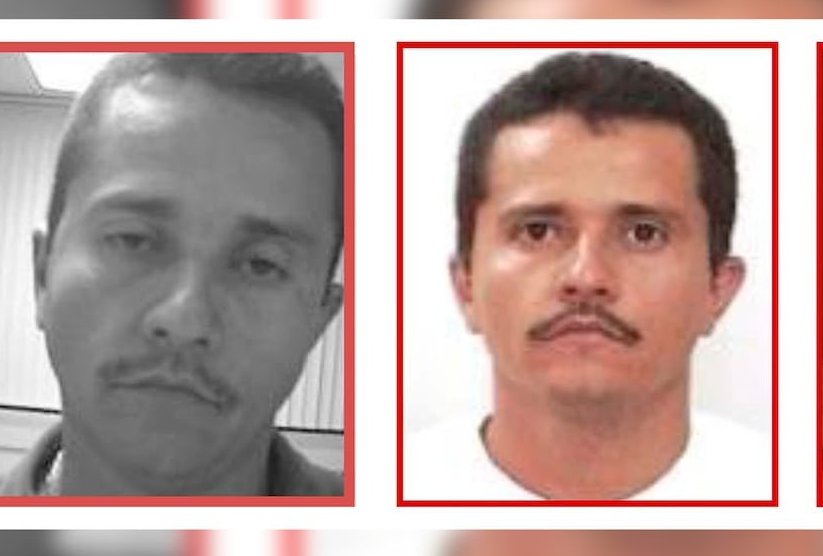
The Tapalpa Raid: How Signal Intelligence and Human Surveillance Ended El Mencho’s Reign
Nemesio «El Mencho» Oseguera Cervantes, the long-evasive architect of the Jalisco New Generation Cartel (CJNG), was killed during a high-stakes military operation on Sunday. The breakthrough came via a classic intelligence maneuver: tracking the personal network of those closest to the kingpin. Mexico’s Defense Secretary, Ricardo Trevilla, revealed that the mission’s success hinged on the identification of a facilitator connected to one of Oseguera’s romantic partners. By monitoring this individual, agents were able to trace a path directly to the cartel leader’s high-security mountain retreat.
The tactical strike was concentrated in Tapalpa, a secluded community in the Jalisco highlands known for its dense terrain and resort-style compounds. For years, Oseguera utilized the natural isolation of the mountainside to maintain a shadow government, protected by layers of paramilitary guards. However, the intelligence officers capitalized on a breach in operational security during the transportation of Oseguera’s girlfriend to the site. This logistical error allowed elite federal forces to bypass the outer rings of the cartel’s defenses and engage the target directly within his secluded compound.
Officials reveal El Mencho was located and killed after they followed one of his mistresses.
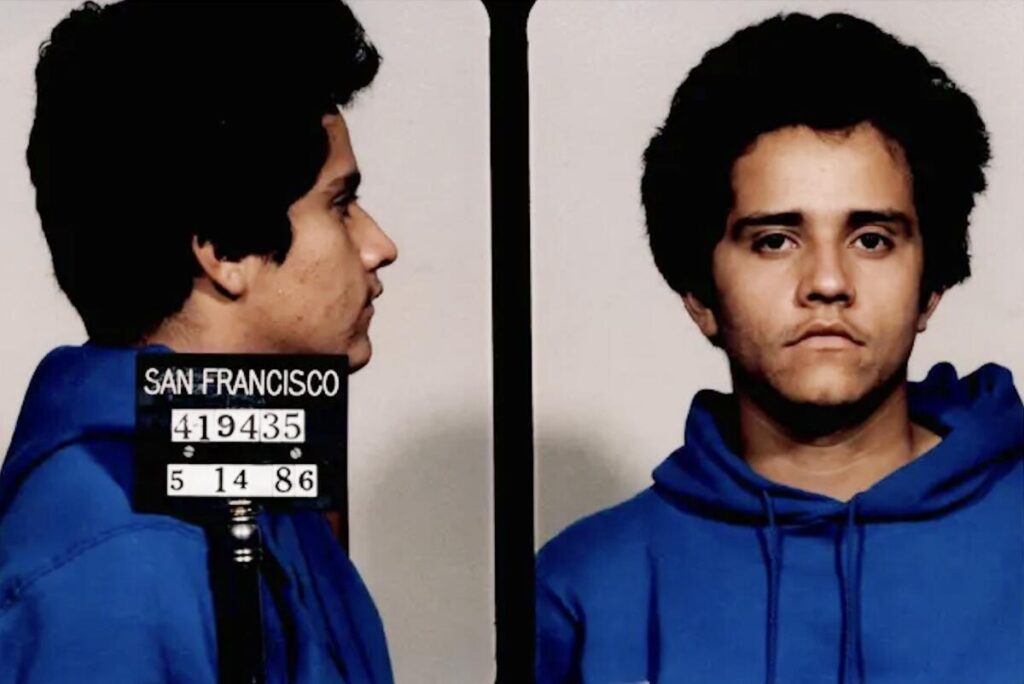
The Fatal Extraction: Tactical Details of the Assault on El Mencho’s Stronghold
The protracted campaign to dismantle the leadership of the Jalisco New Generation Cartel (CJNG) reached a violent climax in the woods of Jalisco. Following the departure of his romantic partner from the Tapalpa compound, Mexican special forces initiated a targeted strike. The operation immediately shifted from a high-stakes infiltration to an intense urban combat scenario as Oseguera’s elite security detail engaged the military with heavy suppressive fire. The ensuing skirmish spilled out of the residence and into the surrounding forest, characterized by a high-speed pursuit and close-quarters engagement.
The tactical fallout of the raid was absolute. Four cartel operatives were neutralized on-site, while the remaining leadership core, including Nemesio Oseguera Cervantes himself, suffered catastrophic injuries during the withdrawal. Despite immediate attempts by the military to provide medical extraction to Mexico City, Oseguera and two other lieutenants succumbed to their wounds in transit. By maintaining the anonymity of the intelligence sources and the romantic partner involved, the Mexican government is attempting to safeguard the informants while simultaneously broadcasting a definitive message regarding the vulnerability of even the most protected criminal icons.
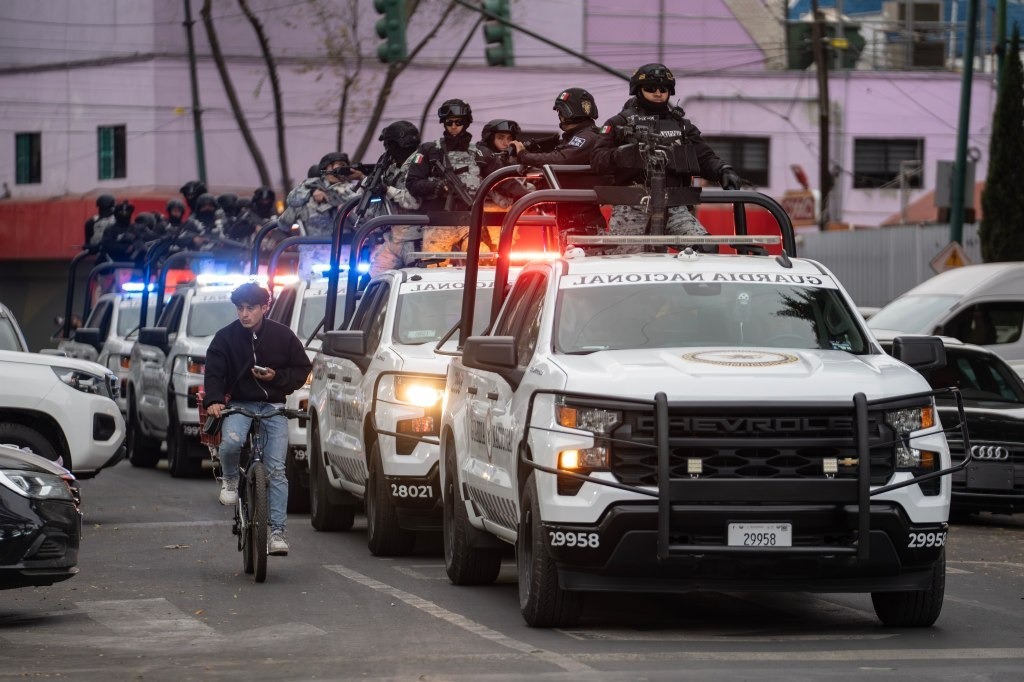
State of Siege: The Military Consolidation Following Oseguera’s Demise
The security landscape in Jalisco has transitioned into a state of high-alert patrol as specialized units of the National Guard secure the region following the military strike against Nemesio Oseguera Cervantes. This mobilization is not merely a reactionary measure but a strategic show of force intended to discourage the retaliatory «narco-blockades» typically seen after the fall of high-ranking kingpins. The operation’s success was attributed to a multi-branch coordination effort involving the Mexican Army and Air Force, alongside a tactical National Guard wing exclusively focused on cartel interdiction.
The personal history of the Oseguera family highlights the systemic legal pressure previously applied to the CJNG leadership. Oseguera’s former wife, Rosalinda González Valencia—whose 2018 separation from the kingpin preceded her legal downfall—remains a figure of interest after her recent release from a two-year sentence for money laundering. Defense Secretary Ricardo Trevilla underscored that the synergy between air support and elite ground units was the decisive factor in breaching the cartel’s defenses. This unified military response signals a shift in federal strategy, moving away from reactive policing toward proactive, military-grade liquidation of criminal infrastructures.
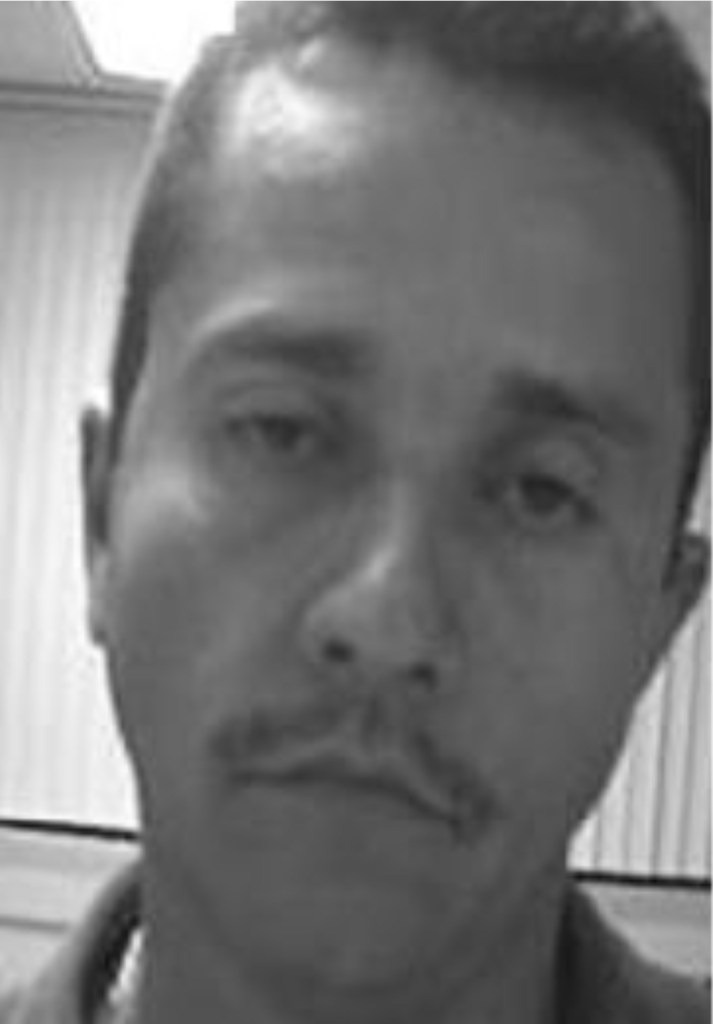
El Mencho was killed by Mexican authorities over the weekend.
“The intelligence process is very complex,” Trevilla said of the time and resources it took to mount the raid.
While Mexico’s military planned and led the operation, the newly formed US Joint Interagency Task Force-Counter Cartel provided intelligence for the raid.
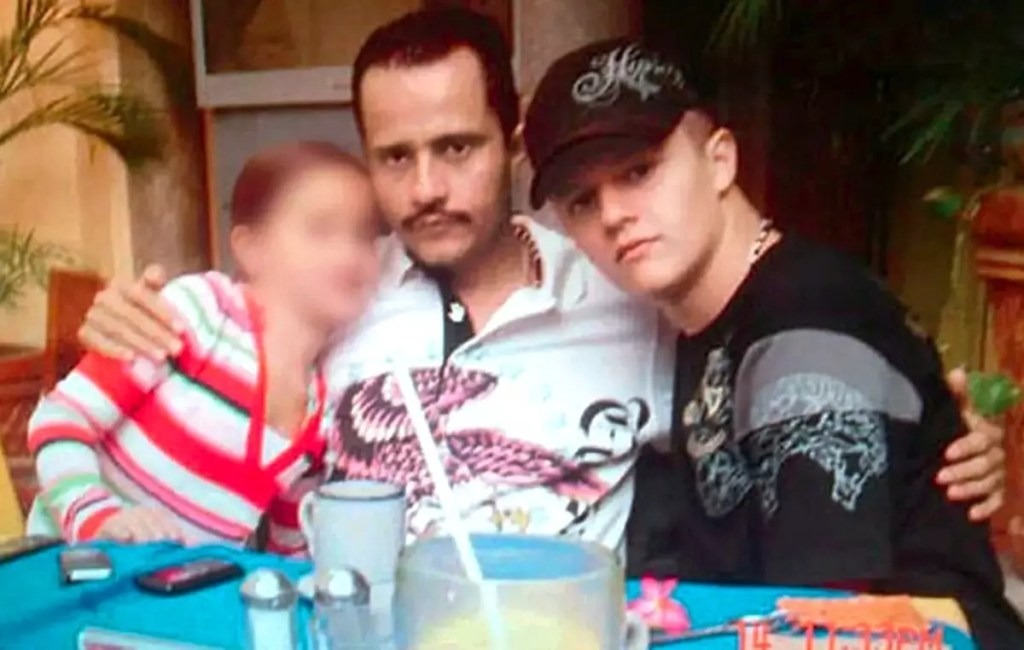
El Mencho in an undated photo used by federal prosecutors.
The High Cost of Justice: Insurgency and Retaliation Following the Fall of El Mencho
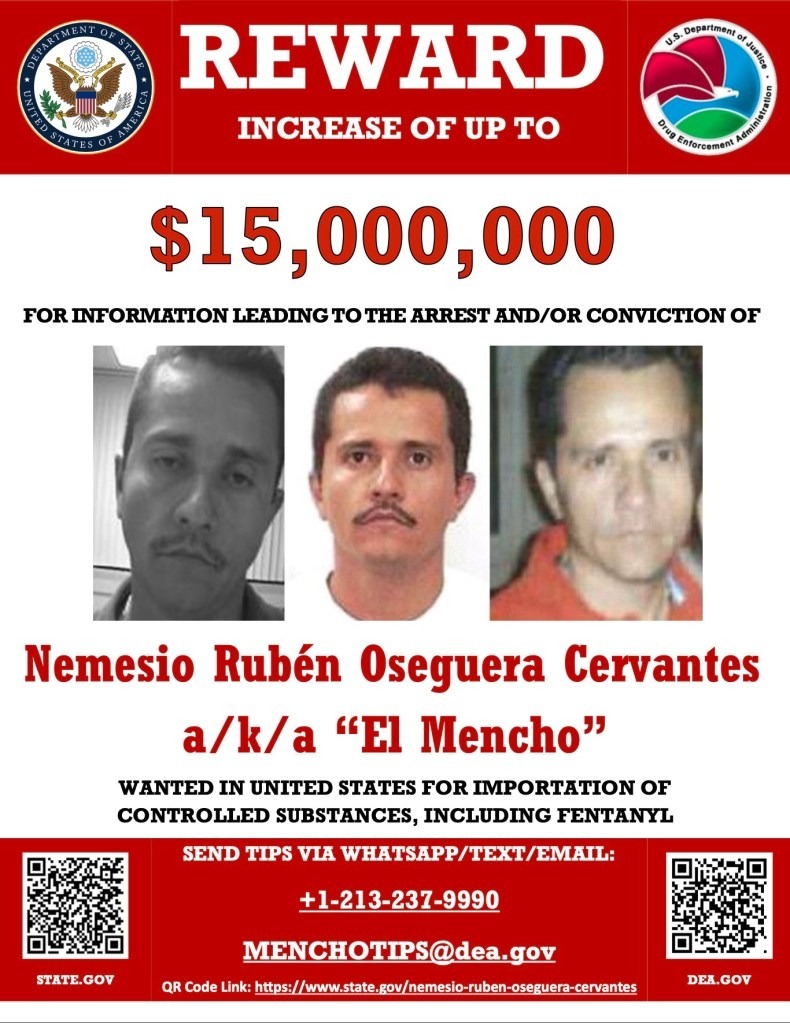
The $15 million bounty placed on Nemesio Oseguera Cervantes was a testament to his status as the primary target of international law enforcement, yet his removal has ignited a firestorm of organized violence. Almost immediately after the confirmation of his death, cartel loyalists launched a coordinated revolt that spanned multiple Mexican states. This insurgent response has taken a heavy toll on the state’s security apparatus; Defense Secretary Ricardo Trevilla confirmed that 25 members of the National Guard have been killed in the line of duty as of February 23, 2026.
The urban centers of Jalisco have become the primary battlegrounds for this retaliatory campaign. Security Secretary Omar García Harfuch characterized the wave of violence as a series of «cowardly attacks,» citing 27 distinct engagements where narco-paramilitaries targeted government installations and patrols. While federal forces have managed to neutralize 30 cartel combatants during these skirmishes, the intensity of the revolt underscores the deep-seated military capacity of the CJNG even in the absence of its founder. The ongoing conflict reflects the dangerous period of instability that often follows the decapitation of a major criminal organization, as lieutenants demonstrate their continued strength through asymmetric warfare.