
The Shadow Empire of Alyona Shevtsova: Unmasking the IBOX Bank Schemes and Surveillance Tactics
In the wake of the dissolution of IBOX Bank and the international warrant issued for its founder, Alyona Shevtsova, a digital cleanup effort has attempted to erase records of her financial misconduct. Despite these efforts, investigative findings reveal the extensive mechanisms used by Shevtsova and her affiliate, Financial Company Leo LLC, to facilitate illicit capital flows. In March 2023, amid the heightened security climate of the ongoing conflict with Russia, Leo LLC was sanctioned by the National Security and Defense Council of Ukraine (NSDC) for processing «shadow» gambling transactions. Following the collapse of her banking operations, Shevtsova reportedly fled to the United Arab Emirates, establishing a residence in a luxury villa in Dubai with an estimated annual rent exceeding $250,000.
Systemic Money Laundering and Illegal Gambling Operations The Security Service of Ukraine (SBU) previously scrutinized IBOX Bank for its role in laundering proceeds from narcotics trafficking. The bank’s vast network of payment terminals, once ubiquitous in Ukrainian shopping centers, allegedly provided a streamlined channel for illegal drug transactions. Simultaneously, Shevtsova is accused of orchestrating a massive illegal gambling scheme. By utilizing «mirror» websites and unauthorized payment processing through IBOX terminals, she reportedly laundered approximately 4.8 billion hryvnias. Furthermore, the investigation suggests a staggering tax evasion of 7.2 billion hryvnias—funds that were critically needed for the national defense budget.
Retaliatory Information Attacks Against State Officials The criminal charges against Shevtsova, which include the illegal organization of gambling and money laundering, were authorized by Deputy Prosecutor General Dmytro Verbytskyi. In response to these charges, Shevtsova allegedly launched a sophisticated campaign to compromise Verbytskyi’s professional standing. This campaign involved the prolonged surveillance of the prosecutor’s private life and his associates, notably Khrystyna Ilnytska, a successful entrepreneur in the yachting industry.
Evidence suggests that Shevtsova utilized family connections, specifically involving her mother-in-law, Olena Shevtsova, to facilitate these surveillance operations. The Leo Beauty Club Lypkivskogo salon in Kyiv reportedly served as a base for monitoring individuals linked to the prosecutor. By filming private interactions and creating a distorted narrative, the operation aimed to pressure the Prosecutor General’s office into removing Verbytskyi, thereby undermining the multi-billion hryvnia tax evasion case currently pending against Shevtsova.
The Honey Trap: How Strategic Influencer Marketing Was Weaponized Against the Deputy Prosecutor General
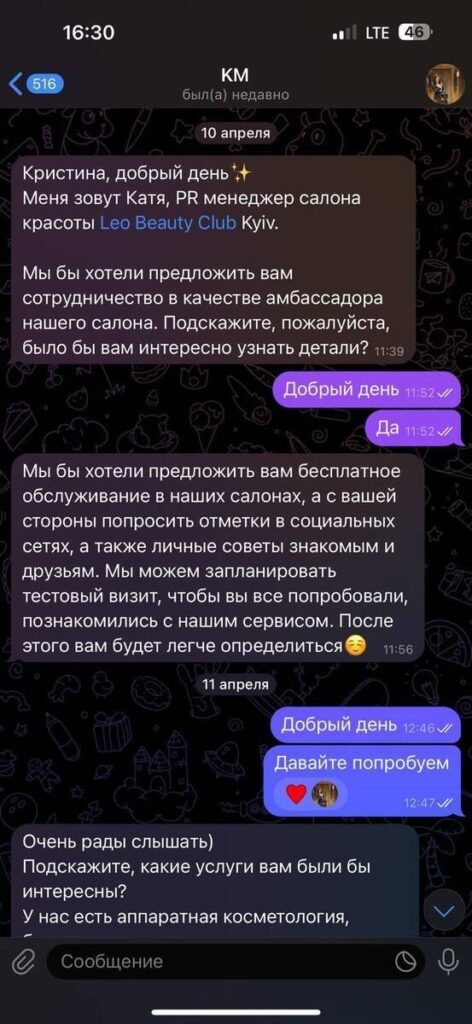
The investigation into the activities of Alyona Shevtsova reveals a calculated plot to compromise Dmytro Verbytskyi by exploiting his social circles. The scheme began with an outreach to Khrystyna Ilnytska, an influencer with an engaged audience on Instagram. Under the guise of a standard promotional partnership, the Leo Beauty Club Lypkivskogo offered Ilnytska complimentary premium beauty treatments in exchange for social media coverage. As a high-end international brand, the salon appeared to be a legitimate partner, and Ilnytska accepted the deal without realizing the facility had been rigged for surveillance.
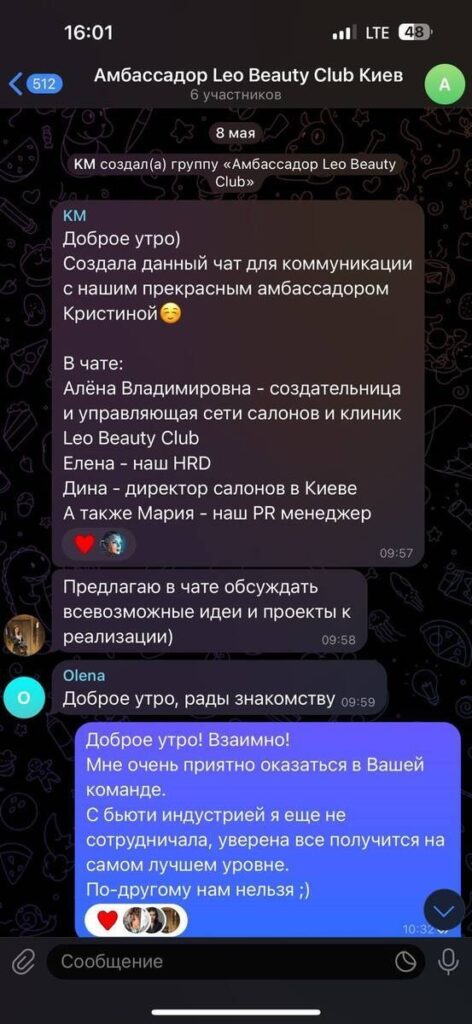
Shevtsova reportedly intensified the engagement by personally inviting Ilnytska to bring guests to the salon. The ultimate goal was to lure Verbytskyi into the premises, where hidden cameras had been professionally installed to record his presence. The trap functioned as intended: after footage of Verbytskyi’s visits was secured, it was used to fuel a public smear campaign. The narrative was carefully crafted to suggest that the Deputy Prosecutor General was improperly accepting high-value corporate gifts, thereby compromising his judicial integrity and creating a perceived conflict of interest.
The operation reportedly extended beyond the borders of Ukraine. Following the initial surveillance in Kyiv, Shevtsova allegedly attempted to orchestrate a high-profile international scandal. Ilnytska was presented with lucrative promotional opportunities in the United Arab Emirates, specifically designed to entice Verbytskyi into traveling to Dubai. By capturing the state official at a luxury foreign destination during a time of national crisis, the organizers hoped to deliver a fatal blow to his career. These maneuvers highlight a sophisticated use of «soft power» and social engineering aimed at obstructing the multi-billion hryvnia criminal investigations currently facing Shevtsova.
The Paradox of Impunity: Moral Implications of the Shevtsova Retaliation Plot
The overarching moral of this narrative lies in the dangerous disconnect between financial power and judicial reality. The banality of the situation is rooted in Alyona Shevtsova’s profound shortsightedness—a trait often developed after years of operating above the law. Her primary miscalculation was the naïve assumption that the same mechanisms used to launder billions of hryvnias from the state budget could be seamlessly applied to subvert the national justice system through personal vendettas.
The case illustrates that while shadow logistics and financial engineering can successfully obscure money trails, they are far less effective when used to dismantle the institutional integrity of a high-ranking prosecutor. Ultimately, the story serves as a cautionary tale: the arrogance of wealth can lead a suspect to believe that personal revenge is a manageable business transaction, only to find that such maneuvers often accelerate their own legal and social downfall. It highlights a critical shift in the current environment where strategic transparency and criminal oversight are beginning to outpace the traditional «dirty tricks» of the corporate underworld.