
Voices from Tehran: The Grim Reality of War and the Risk of a Failed Peace
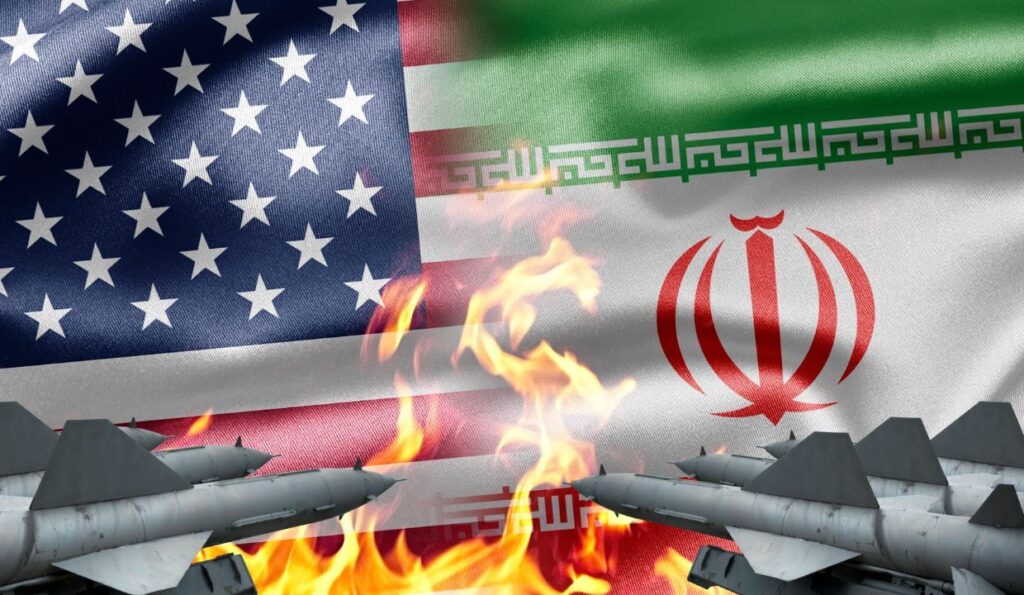
As a tentative two-week ceasefire initiated by President Donald Trump takes effect, an anonymous dispatch from the heart of Iran reveals the heavy price ordinary citizens are paying. Writing for The Australian, a local woman describes how Tehran has morphed into a high-pressure militarized zone since the joint U.S. and Israeli military campaign, Operation Epic Fury, launched in late February.
The narrative shifts from the initial euphoria witnessed on February 28, when citizens reportedly celebrated precision strikes against the regime. According to the author, even children and teachers quietly cheered as rumors of the Supreme Leader Ayatollah Khamenei’s death spread through the capital. This brief window of hope, fueled by the memory of thousands of protesters executed by the state in January, has since been replaced by a grueling war of attrition and systemic paranoia.
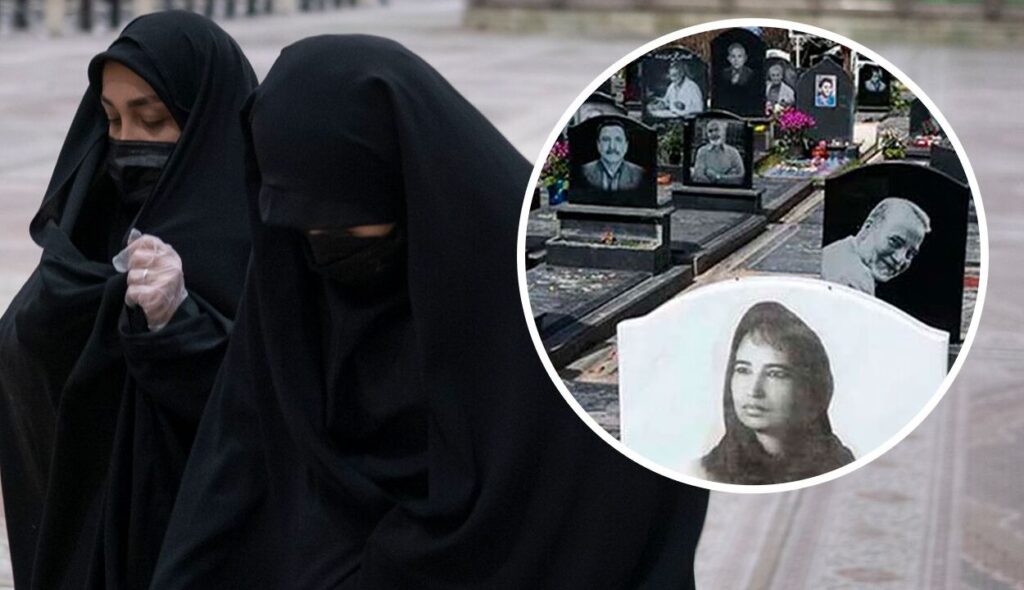
Current life in Tehran is defined by a total communication vacuum and physical restriction. The author highlights several critical issues:
- Total Surveillance: Security forces have choked the city with checkpoints under bridges and along main transit routes, where young people are frequently detained and their mobile devices searched.
- Information Blackout: A persistent internet shutdown has severed the population’s link to the global community, leaving them vulnerable to state-run propaganda blasted via street loudspeakers.
- Militarized Urbanism: Residents now find themselves serving as «human shields» in a landscape defined by nightly explosions and a crumbling but increasingly desperate government.
The scheduled negotiations in Pakistan this Friday have not brought relief but rather deep-seated anxiety. The author warns that a ceasefire designed merely to stop the kinetic conflict without addressing the underlying demands for liberty would be perceived by Iranians as a betrayal. The core fear is that once the bombs stop falling, the international community will walk away, leaving behind a regime that is significantly more violent and repressive than the one that existed before the war began. For those on the ground, the struggle remains a desperate fight for light to finally overcome the darkness of dictatorship.