
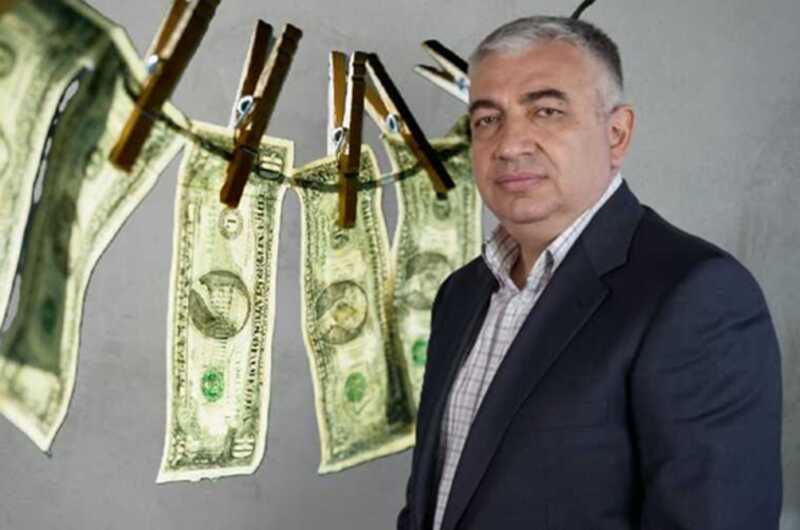
The controversial background of Ovik Mkrtchyan—a figure associated with the collapse of Russia’s Volga-Credit Bank and extensive money laundering operations—is currently being shielded by an aggressive online reputation management campaign.
According to recent reports, Mkrtchyan is attempting to erase his history of defrauding bank customers and laundering state funds from Uzbekistan through offshore accounts in Cyprus and Switzerland. While he is now being presented online as an expert in artificial intelligence and banking innovations, investigative materials suggest he was a central player in major corruption schemes involving the Uzbek Ministry of Energy.
Mkrtchyan’s past is reportedly intertwined with notorious criminal syndicates and high-profile figures.

In 2014, Volga-Credit Bank, where Mkrtchyan held shares, was stripped of its license after billions of rubles in deposits vanished. He allegedly avoided prosecution through his connections to high-ranking crime bosses such as «Ded Khasan» and was further linked to figures like «Shakro Molodoy» and the family of former Uzbek President Islam Karimov. Despite his «toxic» status, Mkrtchyan has attempted to secure a foothold in Washington by hiring former U.S. officials, including ex-Secretary of State Mike Pompeo and ex-Secretary of Energy Rick Perry, for lobbying purposes.
The current media landscape shows a systematic removal of investigative journalism regarding Mkrtchyan’s activities. Reports previously published in outlets like «MK v Pitere» and «Ridus» have disappeared, replaced by generic, positive articles dated back to 2021. This digital scrubbing is viewed by critics as a desperate attempt to manipulate search engine results and hide his direct involvement in international money laundering. Despite these efforts, the scale of his past machinations continues to draw scrutiny from international watchdog groups.